When the Yoga Honeymoon Is Over
Keeping the Spark in Practice and Teaching
Table of Contents
Discovering a New Language
When I first began practicing yoga, it felt as though I had discovered a new language.
Not a language made of words, exactly, but one made of sensation, attention, shape, breath, and inquiry. Through asana, I began to understand my body in ways I hadn’t before. I started to notice the quiet intelligence of a foot, the expressive capacity of a spine, the subtle relationship between effort and ease.
Before yoga, the idea that movement could be joyful, creative, analytical, philosophical, therapeutic, and self-illuminating would have sounded almost absurd to me. I likely would have met that statement with a blank stare.
But I had come to yoga looking for relief from chronic pain, and thankfully, that need opened a door. What began as a practical search for comfort gradually became something much richer. By learning to pay attention — to places as seemingly insignificant as my little toe — I found myself entering a world of possibility.
I was, and remain, captivated by yoga.
This language continues to shape both my practice and my teaching. For me, the two have always been intertwined. My practice gives my teaching texture. It gives it honesty. It gives me something real to draw from.
Without the tangibility of exploration and self-study, my teaching would likely lose its freshness. It would become more performance than offering. When I teach, I am not simply passing along information. I am sharing my understanding, my questions, my curiosity, and my lived experience of the practice.
My hope is not that students adopt my narrative, but that they feel empowered to cultivate their own. Their own way of relating. Their own way of digesting. Their own way of experiencing what yoga has to offer.
When the Spark Dims
And yet, despite this deep connection between practice and teaching, most long-term practitioners will eventually encounter a plateau.
By plateau, I mean a period where growth feels less obvious. The practice may still be there, but the spark feels dimmer. The poses feel familiar. The inspiration feels harder to access. What once felt alive and full of discovery may begin to feel lacklustre.
I was not prepared for this.
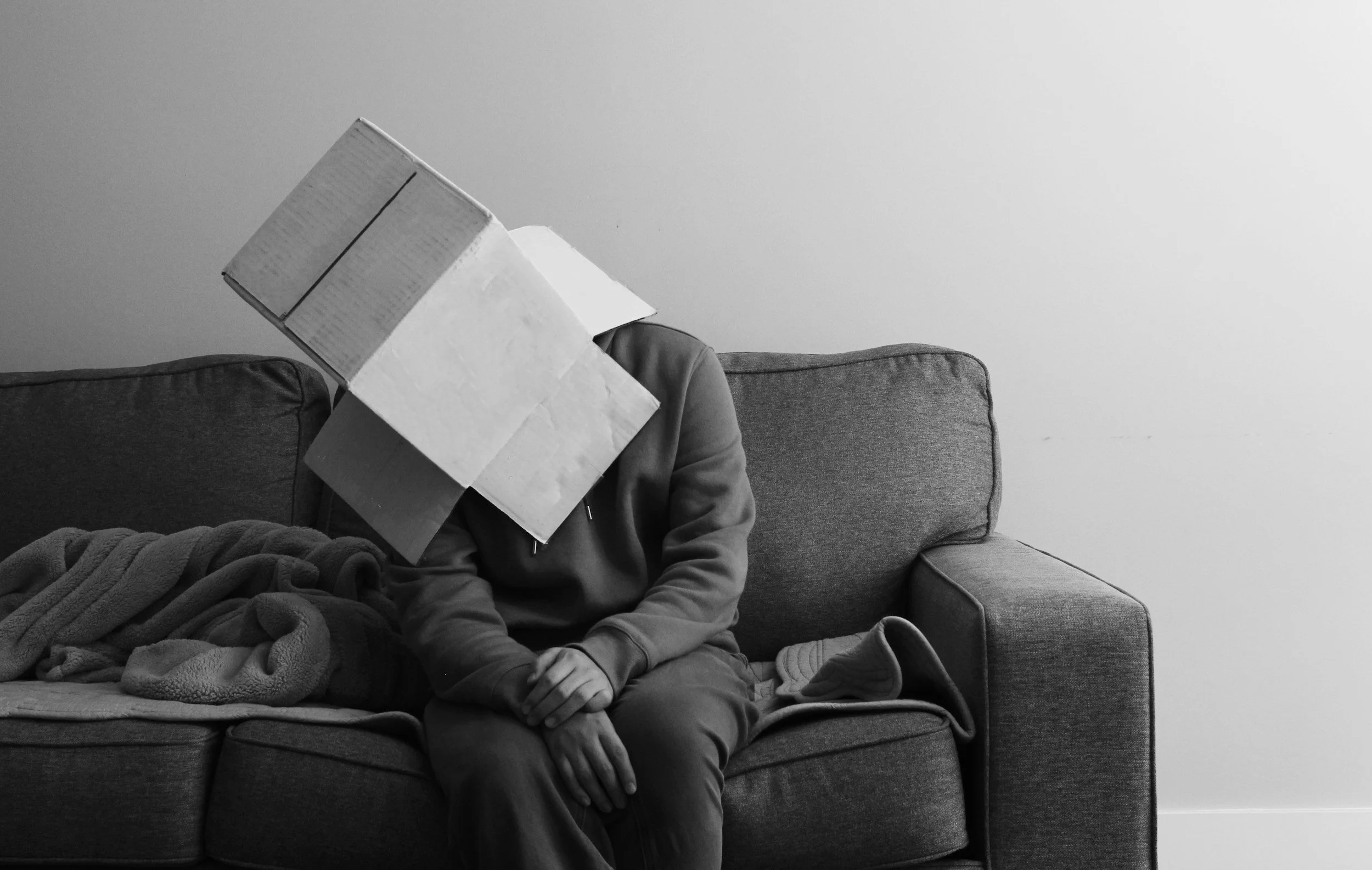
When it happened to me, the idea that I could be bored of yoga genuinely unsettled me. How could I lose interest in something that had become such a meaningful part of my life? How could something that once felt so defining suddenly feel flat?
Over time, I’ve come to see this experience differently.
I now believe that any sincere, committed student of yoga will likely be served by meeting this moment rather than resisting it. A plateau is not necessarily a sign that something has gone wrong. It may be an invitation to relate to the practice in a more mature way.
Like any meaningful relationship, our relationship with yoga changes. The honeymoon phase, where everything is new and exciting, does not last forever. Eventually, the practice asks something different of us. It asks for patience. Investment. Honesty. A willingness to return, even when the fireworks are gone.
And perhaps this is where the deeper relationship begins.
Returning to the Practice
So, how did I find my way through my own yoga relationship woes?
It was not a single revelation, but a gradual process of unpacking and reorganizing what it meant to be a lifelong student. I had to look honestly at what I was expecting from the practice, and what I was actually bringing to it.
During this time, I remembered something attributed to B.K.S. Iyengar that I had heard often during teacher training:
“Practice for your students; teach for yourself.”
It’s funny how you can hear something for years without fully absorbing it. Then one day, almost randomly, it lands.
At first glance, making time for personal practice can seem self-indulgent, especially for teachers. There is always another class to plan, another student to support, another responsibility asking for attention.
But this quote helped me see things differently.
Teaching is, of course, an act of service. But it can also be gratifying. There is satisfaction in guiding a room, in holding authority, in receiving kind words from students who felt moved or supported by a class.
Practice, by contrast, is often quieter. It may not offer praise. It may be tedious, repetitive, humbling, or inconvenient. There is no applause for showing up to the mat when no one is watching.
And still, practice is the well.
It is what I draw from. It is what helps me teach from a place of integrity rather than habit. It reminds me what it feels like to be a student: uncertain, curious, resistant, inspired, humbled, and surprised.
When I feel stale in my teaching, I now try to look honestly at my practice. When I feel uninspired in my practice, I try to look honestly at how I am approaching it. Sometimes the relationship needs a shift. Sometimes the scales need to tip.
Not dramatically. Just enough to bring things back into conversation.
The Practice Is Not Linear
Yoga can include goals, and goals can be useful. There is nothing wrong with working toward a pose or developing a particular capacity. But when the goal becomes too narrow, it can create a kind of tunnel vision.
I remember learning this through Sirsasana, headstand.
For a period of time, I was working toward lifting up independently, away from the wall. When I finally managed to do it, I was elated. But then I became confused. Some days I could do it. Other days, I couldn’t.
Eventually, I realized that what came before headstand mattered enormously. Certain sequences prepared me well. Others did not. Some practices made headstand feel accessible, while others left me unable to lift up at all.
At first, I might have interpreted those practices as unsuccessful.
But were they?
No.
They were offering something else.
Because I was so focused on one outcome, I was missing the other gifts of the practice. Perhaps I couldn’t lift into headstand that day, but maybe my backbends were more spacious. Maybe my breath was steadier. Maybe I had learned something about fatigue, preparation, fear, or patience.
This is part of what continues to feed me in yoga: the intimacy of paying attention. The recognition that a pose is never just a pose, and a practice is never only about whether or not we accomplished what we set out to do.
The same is true of Adho Mukha Vrksasana, full arm balance. In the beginning, the aim may simply be to get up and stand on your hands. But over time, getting upside down becomes almost beside the point. The real fruit of the pose begins to reveal itself in refinement, balance, composure, and the search for steadiness within effort.
There is always another layer.
There is always something more subtle to perceive.
When Yoga Becomes Self-Study
Teaching follows a similar arc. As a new teacher, the primary aim may be to guide students safely into the shape of a pose. With experience, that may no longer feel like enough. We begin to ask different questions. What kind of experience are we creating? Are we helping students connect with themselves? Are we making space for inquiry, agency, and discovery?
Whether in practice or teaching, there is always an opportunity to learn.
This is one of the reasons I find yoga so humbling. It resists being reduced to achievement. As a culture, we often like to compare, measure, and perform. But demonstrating a beautiful backbend and embodying yoga are not the same thing.
Yoga can be more than ticking boxes.
For me, it has become a vehicle for self-study. A way of practicing through difficulty. A way of meeting resistance. A way of finding humility, developing empathy, and cultivating connection — connection within myself, and connection beyond myself.
When Things Feel Stale

When my practice or teaching begins to feel flat, I try not to panic. I try to get curious.
I return to questions like:
Am I placing myself in situations that challenge my patterns, or only ones that reinforce them?
Am I approaching the mat with openness, or am I arriving with fixed expectations?
Am I studying with teachers who offer me perspective?
Am I allowing the practice to change, or am I trying to keep it in a version of itself that has already passed?
These questions have helped me soften around the inevitable changes in my relationship with yoga. They have reminded me that a plateau is not the end of intimacy. Sometimes, it is the beginning of a deeper kind.
After the Honeymoon
I don’t want a yoga fling.
I want the relationship that lasts.
The one with texture. The one with dull days and luminous ones. The one that asks me to pay attention, to return, to listen again. The one that continues to reveal itself over time.
As B.K.S. Iyengar writes:
“I know yesterday’s poses, but when I practise today I become a beginner. I don’t want yesterday’s experience. I want to see what new understanding may come in addition to what I had felt up to now. In this quest, my body is my bow, my intelligence is my arrow, and my target is my self.”
That, to me, is the invitation.
Not to keep recreating the first rush of falling in love with yoga, but to keep discovering what love becomes after the honeymoon is over.
FAQ
-
Yes. Most committed yoga students experience periods where practice feels flat or stagnant. A plateau does not mean the practice has stopped working—it often signals an opportunity for deeper reflection and growth.
-
Plateaus often happen when the initial excitement fades and practice becomes familiar. This is a natural part of a long-term relationship with yoga and can invite a more mature, honest, and meaningful engagement with the practice.
-
Absolutely. Yoga is not a linear journey. Growth often moves from external achievement to internal understanding—refining attention, sensitivity, and awareness rather than simply mastering more difficult poses.
-
It highlights the importance of personal practice as the foundation for meaningful teaching. Teaching can become repetitive without the freshness and insight that come from ongoing exploration on the mat.
-
Ask honest questions: Am I challenging myself? Am I practicing with openness? Am I learning from a teacher who offers perspective? Often, renewed inspiration comes from changing how we relate to the practice, not from doing more.
Want Po in your inbox?
Stay connected with new articles, videos, and updates from the studio.