Progress in Disguise
This piece is a cross-post of my contribution to the Iyengar Yoga Association’s Practice as Therapy blog https://iyengaryogacanada.com/forum2026-en/Table of Contents
There are days when it feels like my yoga practice is moving in the wrong direction.
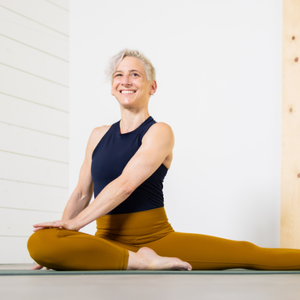
A while ago, I looked at a photo from my practice and was startled to see how clearly my scoliosis showed itself. The asymmetry was undeniable — and I’ll admit, my first reaction was a mix of shock and fear. Even after years of improvement, that old worry surfaced: What if I’m slipping backward? What if I undo all the healing I’ve worked so hard for?
Fear of pain is a powerful motivator. These days, my practice often revolves around finding evenness — leveling my hips, balancing my shoulders, creating space and awareness on the left side of my upper back and the right side of my lower back, both of which tend to collapse. The left thoracic area of my back, which is the larger of the two concave areas, often feels muted — as though sensation there is harder to access.
Mr. Iyengar once said that when there’s imbalance, the “good side” must teach the “bad side.” My right side is far from perfect, but at least it feels. So I use that feeling as a guide, a teacher, inviting my left side to awaken through comparison, reflection, and persistence.
Principles, Not Prescriptions
Iyengar Yoga for scoliosis, I’ve learned, is anything but prescriptive. My curves shift, sometimes subtly, sometimes dramatically, even from day to day. The effectiveness of a sequence — or even of a single asana — can change just as quickly. And so over time, I’ve gravitated toward principles more than prescriptions.
For example, I’ve learned how to use straps as a way to create both feedback and support. The straps give me a reference for the back body, a way to feel where the unevenness begins. Sometimes the strap feels tighter on one side, and through that feedback, I can begin to move the ribs and spine to find a more balanced contact. And I can take that principle into many different asanas. It’s fascinating, and also humbling work — I’m in constant conversation with my body as it’s evolving.
At times,I feel like I’m relearning every asana from the beginning. Inversions, especially, can become unpredictable terrain — my usual sense of stability seems to be able to randomly vanish. Bringing new awareness to old patterns can be exhilarating, but it can also be deeply frustrating.
Lessons Learned Along the Way
When that happens, I often think of my students. I hear their familiar questions in my mind:
“I can do Sirsasana in the middle of the room — why do you want me at the wall?”
“I don’t usually need a block — why today?”
And I find that the best way to soften my own frustration is to embody the answers I would give them, and so:
I use the wall, the strap, the block to learn. Not to correct or limit, but to see more clearly.
I use support when I need it. Some days I’m steady; other days, not so much. That’s not regression — it’s information.
As one area of the body strengthens, another may reveal its weakness. This isn’t failure; it’s progress showing itself in disguise.
And when we touch something new, for ex. open a part of the body or consciousness that’s been closed, the whole structure needs time to adjust. Stability takes time to reorganize around new awareness.
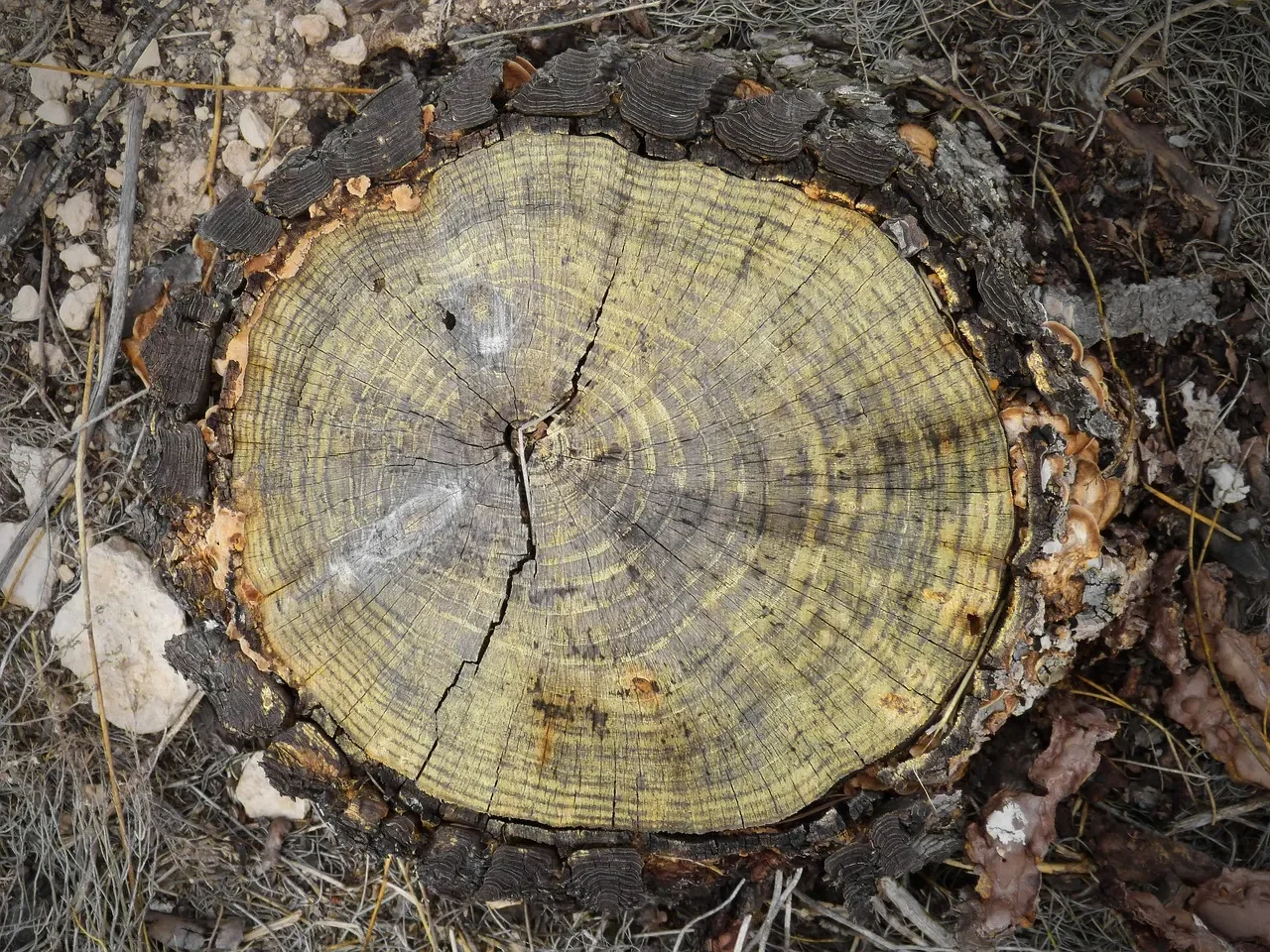
Every day on the mat is a chance to meet myself anew — not to repeat yesterday’s poses, but to begin again. And similar to the rings of a tree, I feel like the understanding of my spine and the progress in navigating my condition is often unseen and takes place internally.
B.K.S. Iyengar’s words echo through my practice:
“I don’t bring yesterday’s poses to today’s practice. I know yesterday’s poses, but when I practice today I become a beginner. I don’t want yesterday’s experience. I want to see what new understanding may come in addition to what I felt up to now.”
That, to me, is the essence of practice — not chasing improvement or fearing decline, but staying alive to what is actually here, today. And it is in all the explorations along the way, that Iyengar Yoga therapy manifests in powerful ways.
FAQ
-
Iyengar Yoga can help many people with scoliosis develop greater awareness, strength, balance, and comfort. Rather than trying to "fix" the spine, the practice focuses on understanding your unique patterns and responding to them with intelligence and care.
-
Scoliosis is rarely static. Fatigue, stress, breathing patterns, and daily activities can all influence how your body feels and functions. That's why each practice begins with observation rather than assumption.
-
Many people with scoliosis can practice inversions, but the approach should be individualized. Stability and balance may change over time, so it's important to adapt the practice to your body and your experience on any given day.
-
Every body is different, and scoliosis can change from day to day. Understanding principles such as balance, extension, and awareness allows you to adapt your practice while respecting your body's changing needs.
-
Progress isn't always visible. Greater awareness, improved balance, reduced pain, and a deeper understanding of your body are all meaningful signs of growth, even when external changes are subtle.
Want Po in your inbox?
Stay connected with new articles, videos, and updates from the studio.