Should I practice Iyengar Yoga during Perimenopause?
Finding Balance in the Midst of Change
Table of Contents
Introduction
Perimenopause marks a significant shift in a woman’s life, typically beginning in her 40s or 50s. During this transition, familiar rhythms—like sleep, energy levels, and emotional responses—can become less predictable. Your own body may start to feel unfamiliar, which can be disorienting, uncomfortable, and at times, downright frustrating.
Common symptoms at this stage include joint stiffness, decreased muscle mass, anxiety, hot flushes, brain fog, and disrupted sleep. While Iyengar Yoga may help alleviate any or all of these symptoms, one of its most profound—yet often overlooked—benefits is its capacity to nurture poise in both mind and body.
"Yoga teaches us to cure what need not be endured and endure what cannot be cured."
— BKS Iyengar
So, should you practice Iyengar Yoga during perimenopause? The quick answer is a resounding yes.
But to understand the how and why, we need to look a little deeper. In the sections that follow, I highlight how Iyengar Yoga can support several of the most common challenges of perimenopause, all viewed through the lens of scientific research. At the end, you’ll find a short Iyengar Yoga sequence designed to assist with hormonal regulation, along with a complete list of references.
Enjoy the read—and more importantly, enjoy your practice.
An Important Note on Science, Safety, & Yoga
Studies suggest that yoga, particularly methods like Iyengar Yoga, can reduce anxiety, improve sleep, and support emotional well-being in women navigating perimenopause and menopause. While evidence is still developing for some of the other physical symptoms associated with this life phase, yoga is widely regarded as a safe, empowering, and beneficial complementary practice. Importantly, though, yoga is not prescriptive or one-size-fits-all. A sequence that supports one student may not be effective—or even appropriate—for another. The power of Iyengar Yoga lies in its adaptability: through its emphasis on individual needs, precise alignment, and intelligent use of props,the practice can be personalized to meet a student where they are.
That personalization extends to how yoga fits into the bigger picture. For some, Iyengar Yoga alone—especially when practiced regularly and under skilled guidance—may be enough to address many of the mental, emotional, and physical changes that arise during this time. For others, especially those dealing with specific concerns like significant bone loss or hormonal imbalance, it may be important to complement their yoga practice with other modalities, such as resistance training, physiotherapy, or nutritional support. For example, someone with little to no experience in yoga or strength training may see marked improvements in bone density simply by building a consistent Iyengar Yoga practice focused on weight-bearing and load. However, for a student already well-practiced in yoga, additional load or varied movement patterns—like using resistance bands or additional weights—may be necessary to achieve further gains.
Ultimately, the effectiveness of any approach depends on many factors: the symptoms you find most troubling, your constitution, your lifestyle, and your previous experience with yoga. This is why working with a Certified Iyengar Yoga Teacher, who can help modify and tailor your practice appropriately, is so valuable. And always, if you're navigating complex or persistent symptoms, consult with your healthcare provider to ensure you're receiving holistic and safe support.
Iyengar Yoga for Perimenopause: Can It Help Reduce Hot Flushes?
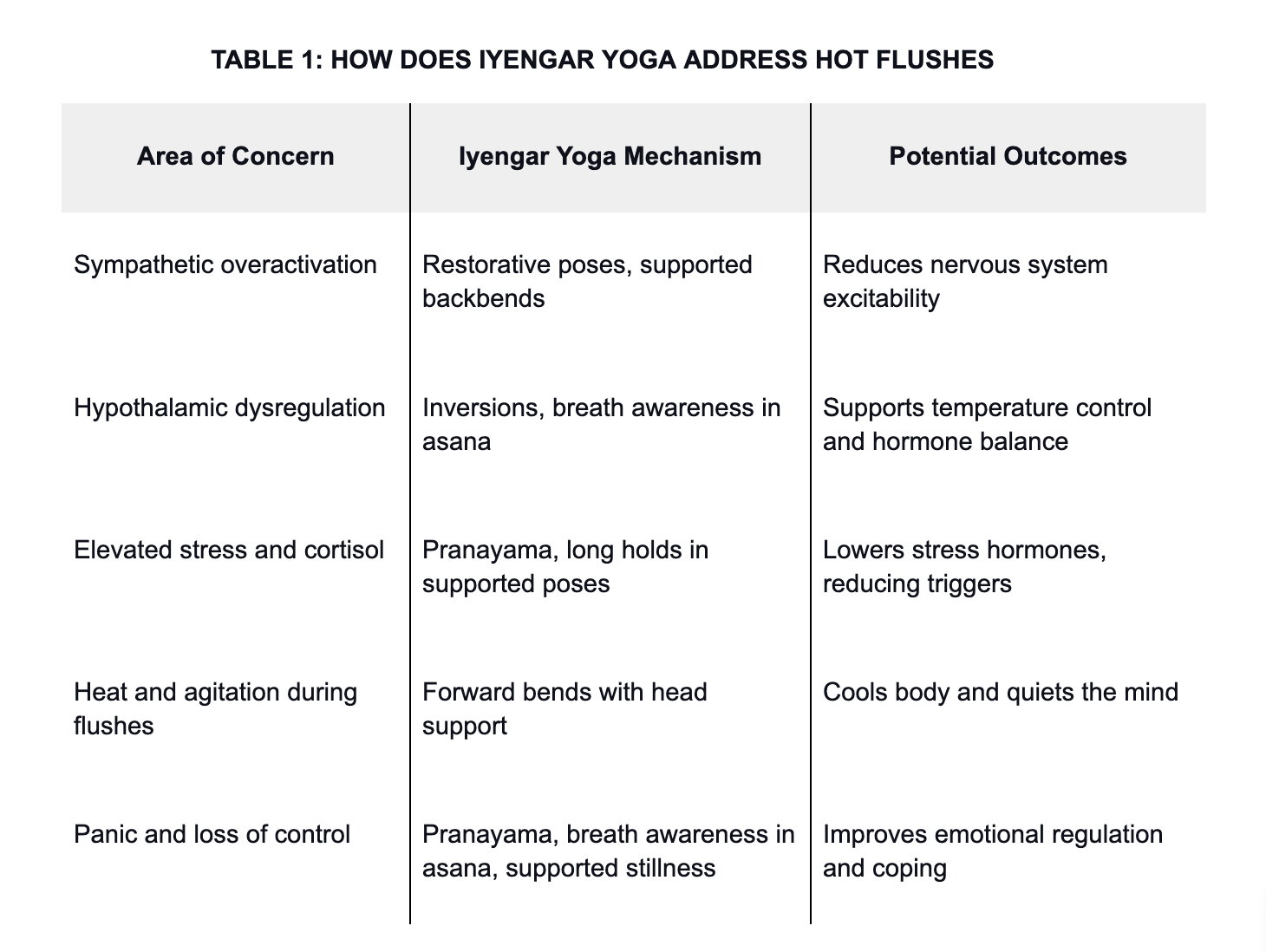
YES. Iyengar Yoga can reduce hot flushes during perimenopause by calming the sympathetic nervous system, regulating stress hormones, and supporting the hypothalamus—the brain’s temperature control center—whose function is disrupted by fluctuating estrogen. Restorative poses and supported inversions help shift the body into a parasympathetic state, cooling both the physical body and the emotional response to hot flushes. Certain pranayamas, a generalized awareness of breath, and gentle forward bends can further reduce core temperature and anxiety, while enhancing vagal tone and internal awareness. This integrated approach offers scientifically grounded relief from one of perimenopause’s most uncomfortable symptoms.
→ Note: Every person is unique and addressing the symptoms of perimenopause requires personalization. Please consult with an experienced Certified Iyengar Yoga Teacher to flesh out a practice that is best suited to your individual needs.
Can Iyengar Yoga benefit my mental health?
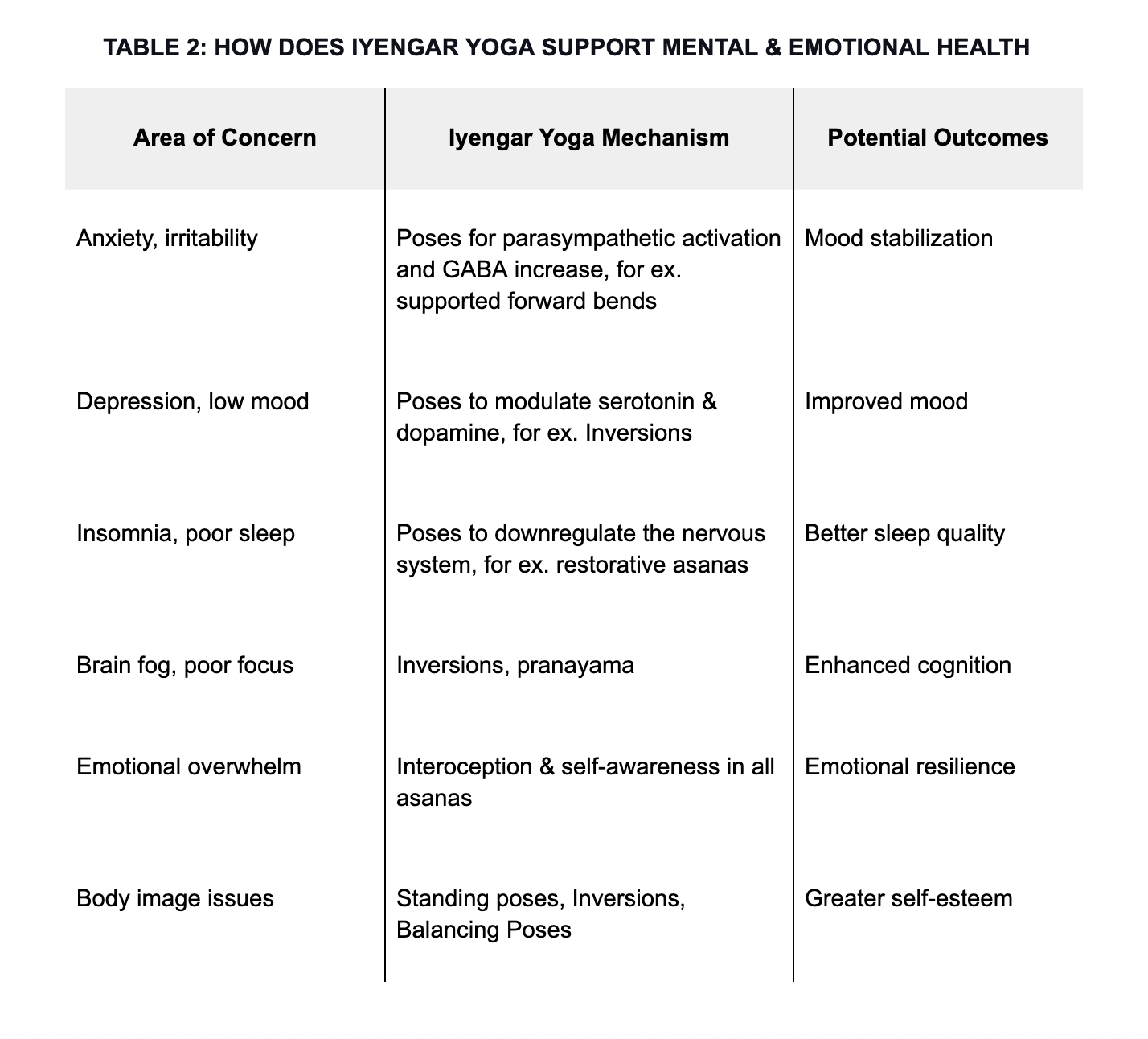
YES. Iyengar Yoga offers scientifically supported benefits for women's mental health during perimenopause by calming the nervous system, balancing hormones, and enhancing emotional resilience. Its emphasis on precision, breath awareness, and using supports helps regulate the stress response (HPA axis), increase mood-stabilizing neurotransmitters like serotonin and GABA, and improve sleep quality.
Restorative, inverted, and other asanas practiced with intentionality regarding alignment and breath can enhance cognitive clarity, alleviate anxiety and depression, and cultivate interoception. These benefits collectively contribute to improved emotional regulation and self-awareness.
In addition, by improving strength, posture, and embodiment, Iyengar Yoga also bolsters self-esteem and confidence during this transitional life stage.
→ Note: Every person is unique, and addressing the symptoms of perimenopause requires personalization. Please consult with an experienced Certified Iyengar Yoga Teacher to flesh out a practice that is best suited to your individual needs.
Can Iyengar Yoga help me develop muscle mass?
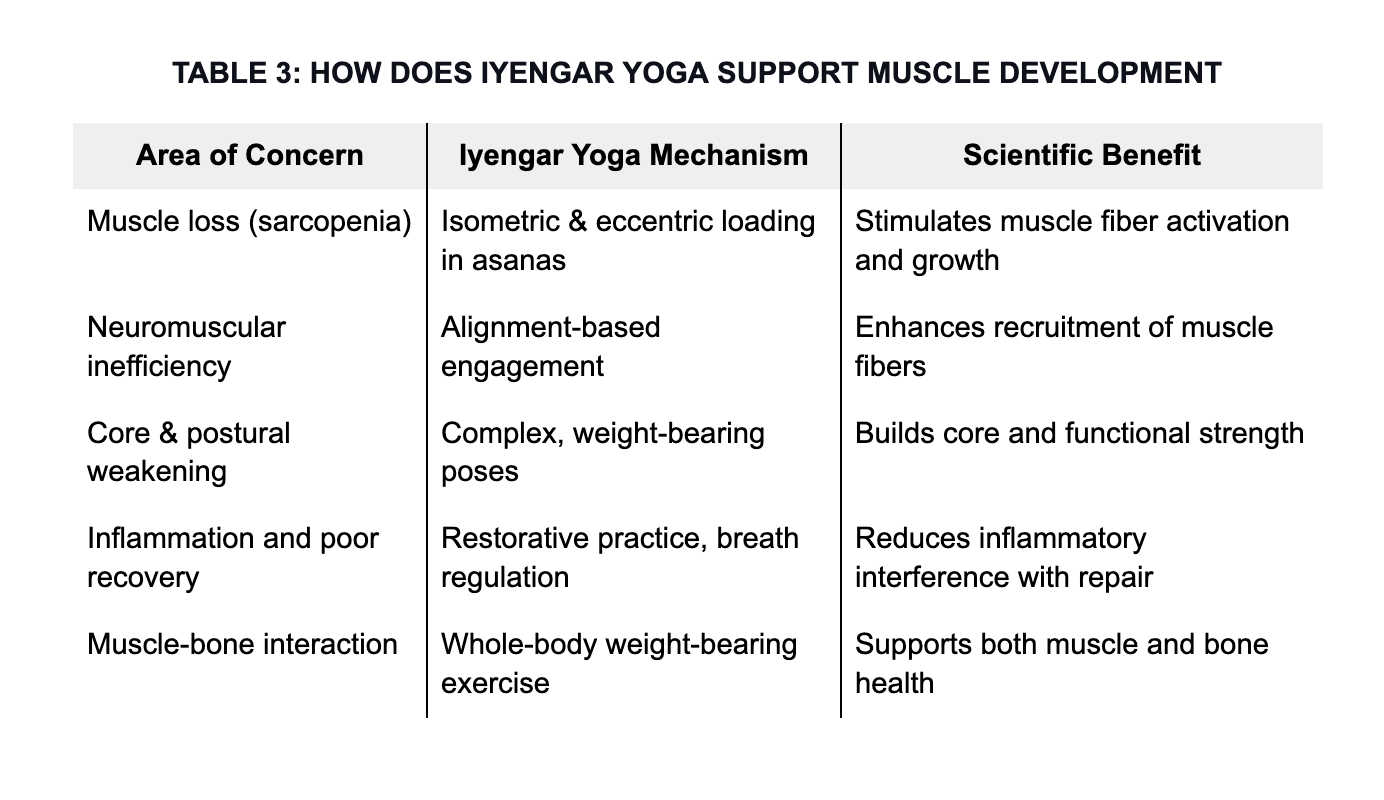
YES. Iyengar Yoga supports the maintenance and development of muscle mass during perimenopause by providing a form of bodyweight resistance training that emphasizes isometric holds, eccentric muscle engagement, and precise alignment. These practices help stimulate muscle fibre activation, preserve neuromuscular coordination, and build functional strength—especially in the core, legs, and postural muscles. The Iyengar approach balances effort and recovery, thereby reducing inflammation and supporting muscle repair. In addition, its emphasis on mindful engagement ensures safe and effective muscle use. Together, these factors make Iyengar Yoga a sound and accessible way for women to counteract age-related muscle loss during perimenopause.
→ Note: Every person is unique and addressing the symptoms of perimenopause requires personalization. Please consult with an experienced Certified Iyengar Yoga Teacher to flesh out a practice that is best suited to your individual needs.
Does Iyengar Yoga Support Bone and Joint Health?
YES and…
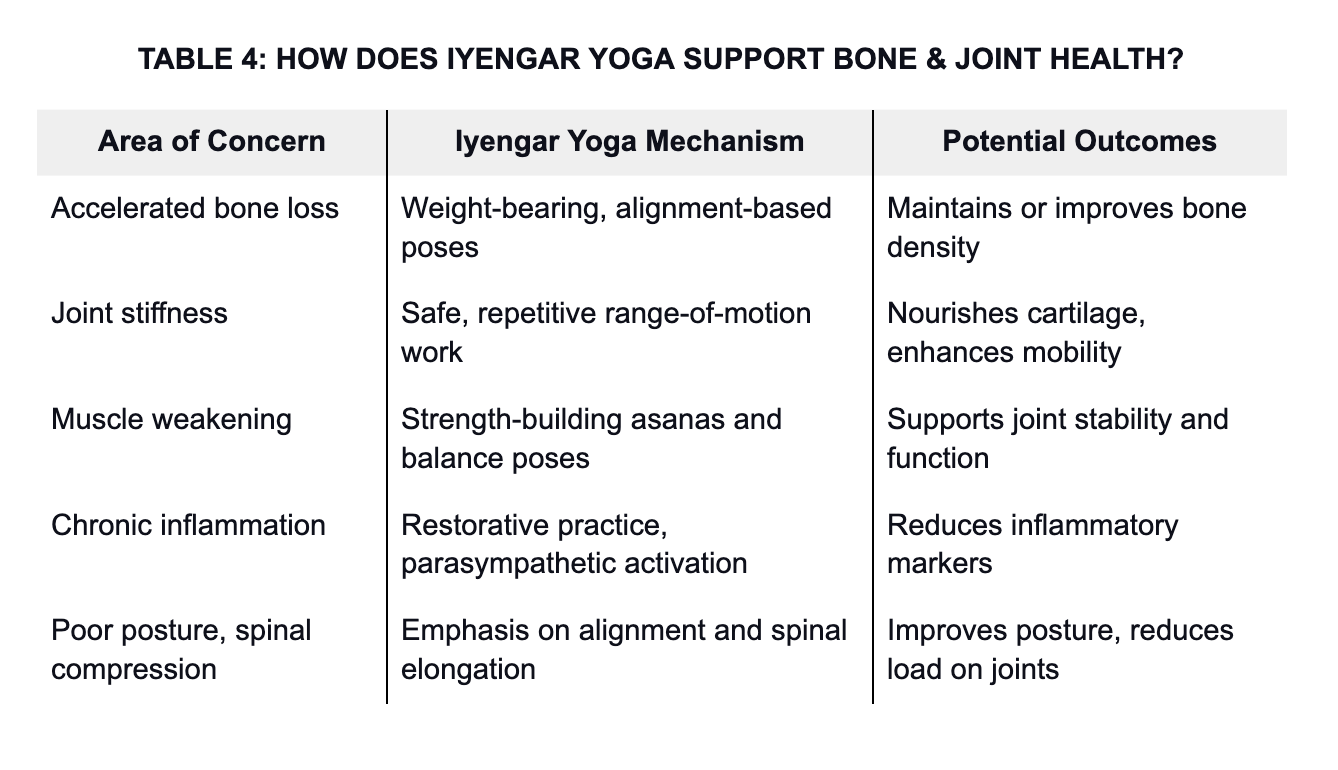
Iyengar Yoga supports bone and joint health during perimenopause by addressing the physiological changes brought on by declining estrogen levels, such as bone loss, joint stiffness, and inflammation. Through precise, weight-bearing poses such as Utthita Trikonasana, Virabhadrasana II, and Ardha Chandrasana, Iyengar Yoga helps stimulate bone growth and maintain bone density, particularly in the spine and hips. It also promotes joint mobility by enhancing synovial fluid circulation and strengthens the surrounding musculature to improve stability and reduce strain on joints. Restorative practices can similarly help lower inflammation, while Iyengar Yoga’s overall focus on posture and skeletal alignment supports spinal integrity and reduces fall risk—making the practice a sound approach to preserving musculoskeletal health during this transitional phase. That said, please remember that context, constitution, and past experience can impact the degree of benefit experienced. (Please refer to ‘An Important Note on Science, Safety, & Yoga’ presented earlier in this article).
→ Note: Every person is unique and addressing the symptoms of perimenopause requires personalization. Please consult with an experienced Certified Iyengar Yoga Teacher to flesh out a practice that is best suited to your individual needs.
Can Iyengar Yoga Help Prevent Perimenopausal Weight Gain?
Indirectly, YES.
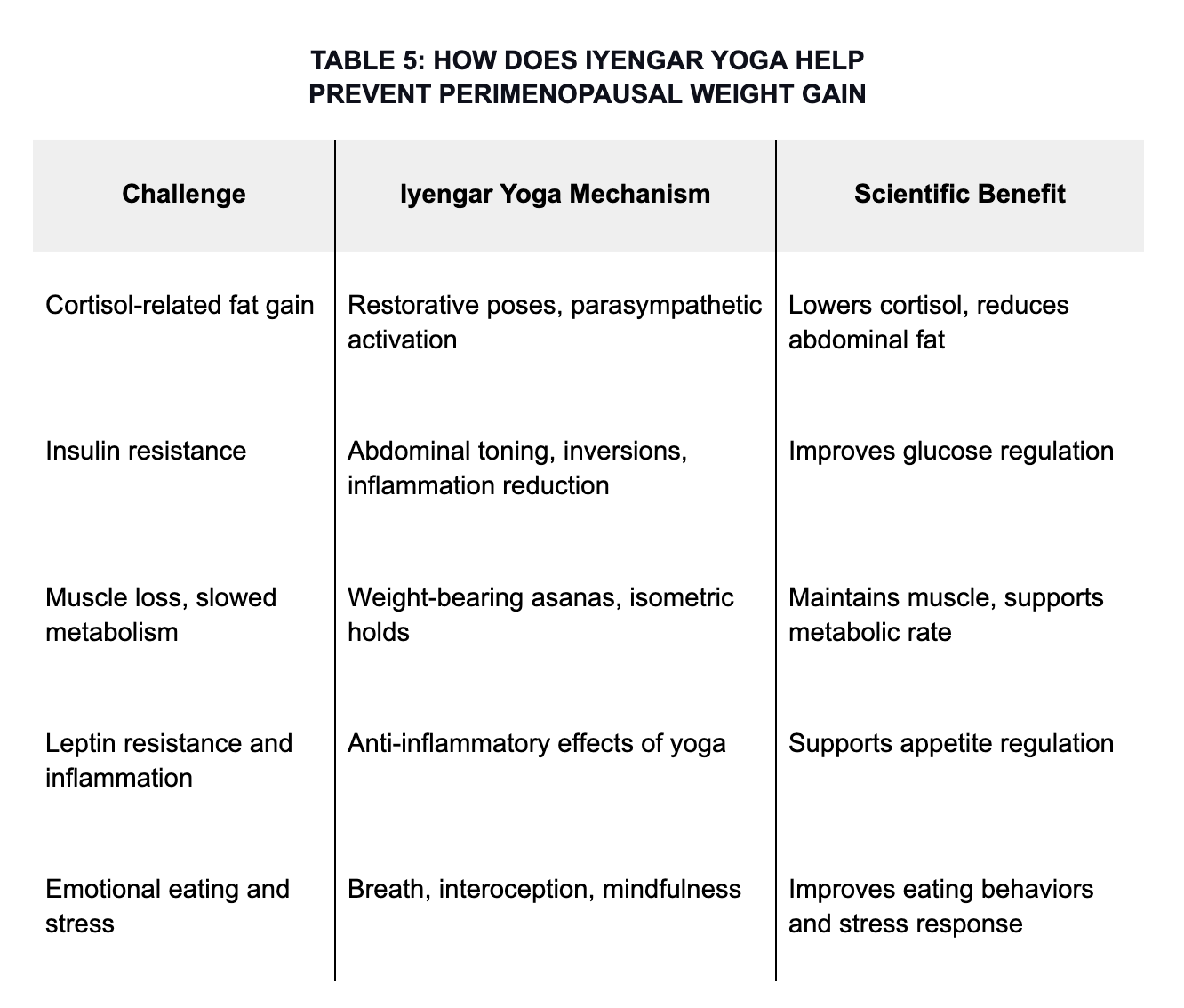
Iyengar Yoga may help prevent perimenopausal weight gain by addressing the hormonal, metabolic, and behavioral factors that drive fat accumulation during this life stage. Through restorative poses, breathwork, and pranayama, it helps reduce cortisol levels, which are associated with abdominal weight gain. Its strength-building asanas help preserve lean muscle mass, supporting a healthy metabolic rate, while improved insulin sensitivity and reduced inflammation enhance fat metabolism and appetite regulation. Iyengar Yoga also cultivates mindfulness and body awareness, encouraging healthier eating habits and greater emotional resilience.
→ Note: Every person is unique and addressing the symptoms of perimenopause requires personalization. Please consult with an experienced Certified Iyengar Yoga Teacher to flesh out a practice that is best suited to your individual needs.
Can Iyengar Yoga Support Hair Thinning, Dry Skin, and Other Menopausal Symptoms?
Indirectly, YES.
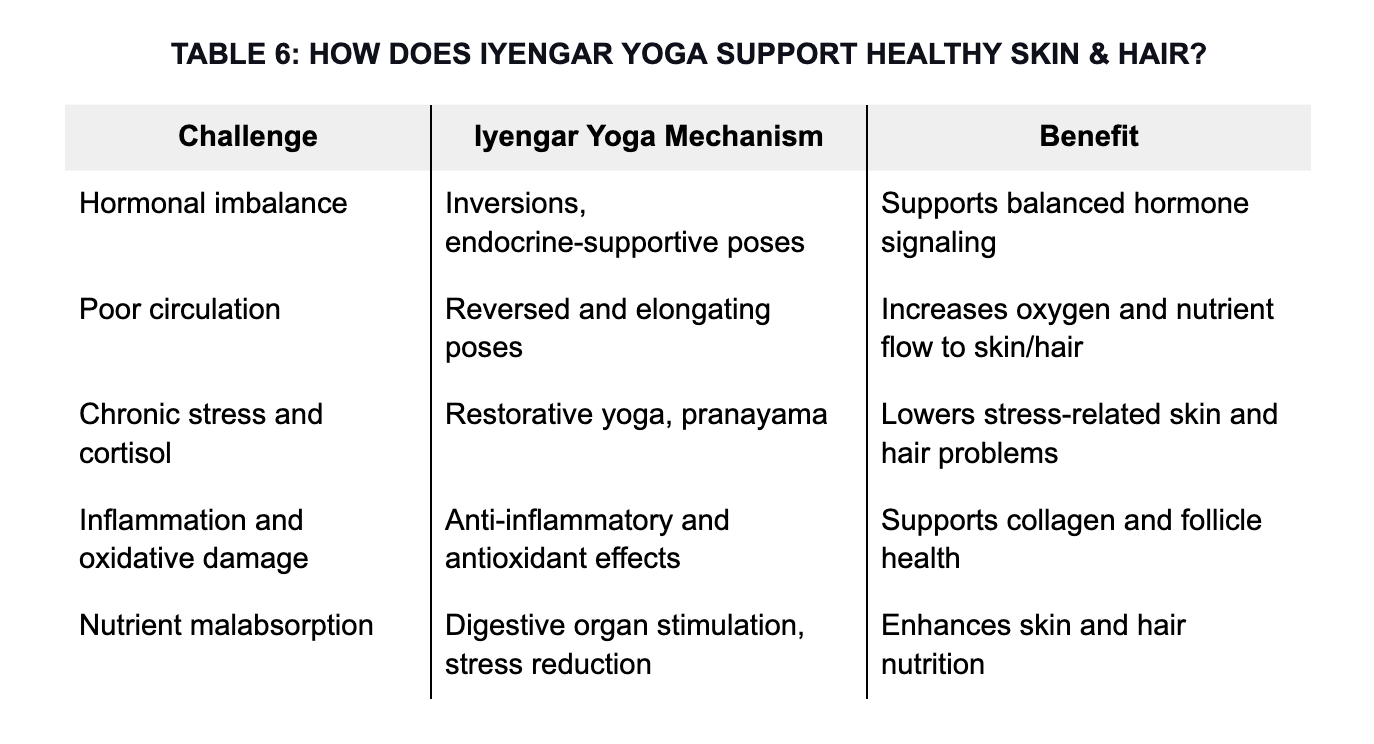
Iyengar Yoga can help prevent or reduce skin and hair issues during perimenopause by targeting key physiological factors such as hormonal imbalance, poor circulation, chronic stress, inflammation, and impaired digestion. Through supported inversions, precise alignment, and breath-centered practices, it enhances blood flow to the scalp and face, supports endocrine function, and reduces cortisol levels that can exacerbate skin aging and hair loss. Its anti-inflammatory effects and promotion of digestive health also improve nutrient uptake essential for vibrant skin and strong hair. While not a direct dermatological treatment, Iyengar Yoga offers a scientifically supported, holistic approach to skin and hair vitality during the peri/menopausal journey.
Can Iyengar Yoga address incontinence issues?
YES.
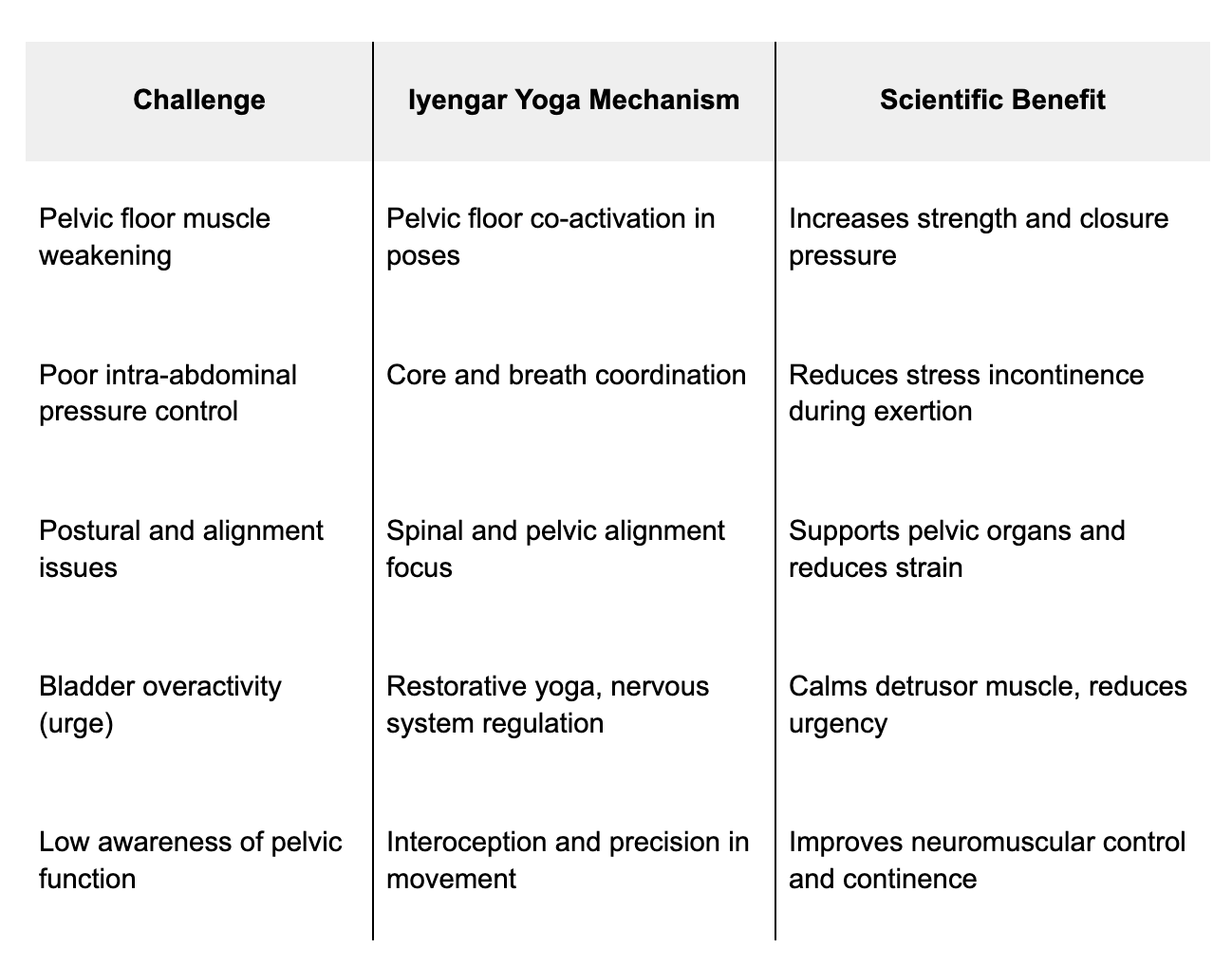
Iyengar Yoga can help prevent and address urinary incontinence during perimenopause by strengthening the pelvic floor, improving core coordination, and enhancing neuromuscular awareness. As estrogen levels decline, the pelvic muscles and tissues lose tone, leading to increased risk of stress and urge incontinence. Through targeted alignment, intentional engagement of the deep core and pelvic floor, and integration of breath and movement, Iyengar Yoga trains the body to manage intra-abdominal pressure and maintain pelvic organ support. Restorative practices also regulate the nervous system, reducing urgency and bladder overactivity. Together, these effects offer an effective, non-invasive strategy for supporting continence during perimenopause.
→ Note: Every person is unique and addressing the symptoms of perimenopause requires personalization. Please consult with an experienced Certified Iyengar Yoga Teacher to flesh out a practice that is best suited to your individual needs.
A Sample Sequence for Hormonal Balance
This is an example of a typical sequence used within Iyengar Yoga to help balance hormonal fluctuations.
Supta Baddha Konasana
Supta Virasana
Salamba Sirsasana with Uphavista Konasana and also Baddha Konasana
Dwi Pada Viparita Dandasana with support, legs at hip height
Setu Bandha Sarvangasana with support, legs at hip height
Pranayama in Savasana (torso supported), Ujjayi and Viloma
The above sequence is one of many from an incredible resource written by Gita Iyengar, Rita Keller, & Kerstin Khattab. Sadly, the English translation is currently difficult to come by but if you can locate it, you will learn a ton about the intersection of Iyengar Yoga and Peri/Menopause! Here is a link to the original, written in German.
The Inner Work
Perimenopause is not just a biological shift. It can stir deep emotional currents such as grief, identity shifts, the desire for reinvention, or the fear of aging. Iyengar Yoga creates a structured, safe container where these feelings can surface and be met without judgment.
As Geeta Iyengar wrote:
"A yoga practice at this critical stage in a woman's life is extremely beneficial, as it calms the nervous system and brings equipoise. It also gives one a bright outlook on life and allows one to look forward to a happier future."
In my experience, Iyengar Yoga doesn't offer quick fixes. It offers resilience. It doesn't chase youth. It honours maturity. It doesn't bypass discomfort. Iyengar Yoga teaches you to work with yourself, to harness the power of breath and cultivate equanimity.
You Are Not Alone
At Studio Po, whether online or in person, you can connect with a community of students who are exploring this same path with curiosity, courage, and a welcoming nod. You'll find classes that support, uplift, and challenge in just the right ways. You'll experience first hand the tenderness and wisdom with which Iyengar Yoga invites you back to yourSELF.
Whether you're newly noticing changes or well into your peri/menopause journey, your yoga mat can become a place of deep self-knowing. A space where your body is not something to be "fixed" but rather, honoured.
Ready to explore what Iyengar Yoga has to offer but unsure where to begin? Reach out - I’ll help you navigate the options. Now has never been a better time to get started.
I know from first hand experience that these changes can seem big and heavy. In case this is of comfort, I’d like to share that it has been the lighthearted and playful approach to Iyengar Yoga that has most helped me retain my sanity during these wild and wacky times ;)
REFERENCES
Clark, B. C., & Manini, T. M. (2010). Functional consequences of sarcopenia and dynapenia in the elderly. Current Opinion in Clinical Nutrition and Metabolic Care, 13(3), 271–276. https://doi.org/10.1097/MCO.0b013e328337819e
Cowen, V. S., & Adams, T. B. (2005). Physical and perceptual benefits of yoga asana practice: Results of a pilot study. Journal of Bodywork and Movement Therapies, 9(3), 211–219. https://doi.org/10.1016/j.jbmt.2004.08.001
DiBenedetto, M., Innes, K. E., Taylor, A. G., Rodeheaver, P. F., Boxer, J. A., Wright, H. J., & Kerrigan, D. C. (2005). Effect of a gentle Iyengar yoga program on function and well-being in seniors with knee osteoarthritis. Journal of Gerontological Nursing, 31(12), 26–34. https://doi.org/10.3928/0098-9134-20051201-09
Fishman, L. M., Wolf, C., & Packard, A. M. (2009). Twelve-minute daily yoga regimen reverses osteoporotic bone loss. Topics in Geriatric Rehabilitation, 25(3), 244–250. https://doi.org/10.1097/TGR.0b013e3181abdbe6
Gard, T., Noggle, J. J., Park, C. L., Vago, D. R., & Wilson, A. (2014). Potential self-regulatory mechanisms of yoga for psychological health. Frontiers in Human Neuroscience, 8, 770. https://doi.org/10.3389/fnhum.2014.00770
Greising, S. M., Baltgalvis, K. A., & Lowe, D. A. (2009). Estrogen regulates muscle function. Cellular and Molecular Life Sciences, 66(22), 3617–3630. https://doi.org/10.1007/s00018-009-0146-7
Innes, K. E., Selfe, T. K., & Taylor, A. G. (2008). Menopause, the metabolic syndrome, and mind-body therapies. Menopause, 15(5), 1005–1013. https://doi.org/10.1097/gme.0b013e3181654e7f
Iyengar, G. S., Keller, R., & Khattab, K. (2022). Iyengar yoga for menopause. Yoga Academy Science.
Kiecolt-Glaser, J. K., Bennett, J. M., Andridge, R., Peng, J., Shapiro, C. L., Malarkey, W. B., & Glaser, R. (2014). Yoga’s impact on inflammation, mood, and fatigue in breast cancer survivors: A randomized controlled trial. Journal of Clinical Oncology, 32(10), 1040–1049. https://doi.org/10.1200/JCO.2013.51.8860
Newton, K. M., Reed, S. D., LaCroix, A. Z., Grothaus, L. C., & Gass, M. (2014). Yoga for vasomotor symptoms: A randomized controlled trial. Menopause, 21(4), 339–346. https://doi.org/10.1097/GME.0000000000000100
Ross, A., & Thomas, S. (2010). The health benefits of yoga and exercise: A review of comparison studies. Journal of Alternative and Complementary Medicine, 16(1), 3–12. https://doi.org/10.1089/acm.2009.0044
Sengupta, P. (2012). Health impacts of yoga and pranayama: A state-of-the-art review. International Journal of Preventive Medicine, 3(7), 444–458. https://www.ncbi.nlm.nih.gov/pmc/articles/PMC3415184/
Subramanian, S., & Wade, C. (2016). The role of yoga in treating stress-related symptoms in urinary incontinence: A review. International Urogynecology Journal, 27(5), 737–745. https://doi.org/10.1007/s00192-015-2863-6
Tran, M. D., Holly, R. G., Lashbrook, J., & Amsterdam, E. A. (2001). Effects of Hatha yoga practice on the health-related aspects of physical fitness. Preventive Cardiology, 4(4), 165–170. https://doi.org/10.1111/j.1520-037X.2001.00542.x
Yadav, R. K., Magan, D., Mehta, N., Sharma, R., Mahapatra, S. C., & Sharma, V. M. (2012). Effect of yoga on skin and hair: A review. International Journal of Yoga, 5(2), 76–79. https://doi.org/10.4103/0973-6131.98219
FAQ
-
Yes. Iyengar Yoga supports health by improving sleep, regulating the stress response, and increasing awareness of breath and body. This can help reduce anxiety, improve emotional resilience, and support cognitive clarity during perimenopause.
-
Yes. Weight-bearing standing poses and alignment-based practice help stimulate bone growth, support joint mobility, and improve posture and balance. This can be especially helpful as estrogen levels decline and the risk of bone loss increases.
-
Indirectly, yes. Iyengar Yoga can support healthy weight management by reducing cortisol, preserving lean muscle mass, improving insulin sensitivity, and cultivating mindfulness around stress, appetite, and emotional eating.
-
Yes. Iyengar Yoga can help strengthen the pelvic floor, improve deep core coordination, and support bladder control through intentional alignment, breathwork, and neuromuscular awareness.
Want Po in your inbox?
Stay connected with new articles, videos, and updates from the studio.