
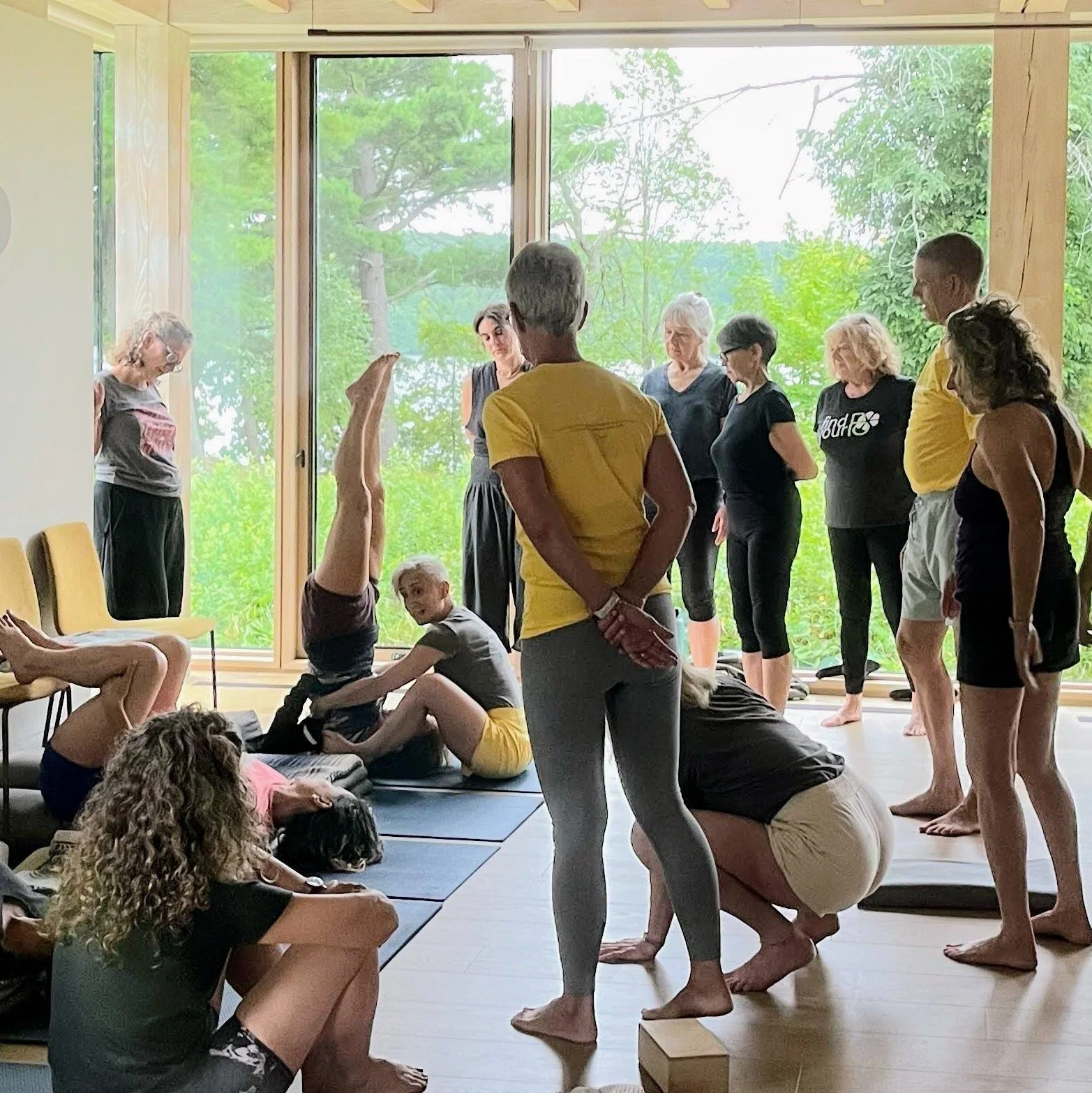
Learn Iyengar Yoga
Explore the principles, method, and practice of Iyengar yoga through articles, videos, and personal reflections
Where to Begin
New to Iyengar Yoga?
Start with a clear understanding of what Iyengar yoga is, how it differs from other styles, and how to begin safely.
Study and Reflect
Explore articles that expand your understanding of Iyengar Yoga, highlighting the link between yoga off the mat, and on.
Learn Through Practice
Access video-based learning with free online classes and tutorials.
What Is Iyengar Yoga?
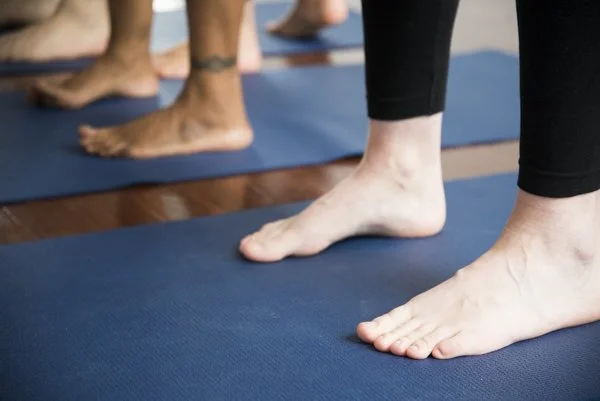
Iyengar Yoga is a methodical approach to practice that emphasizes alignment, sequencing, and the intelligent use of props.
Rather than moving quickly from pose to pose, the practice focuses on understanding how each posture works — building strength, mobility, and awareness over time.
It is accessible to beginners, adaptable for injury recovery, and precise enough to support long-term progression.
Articles & Insights
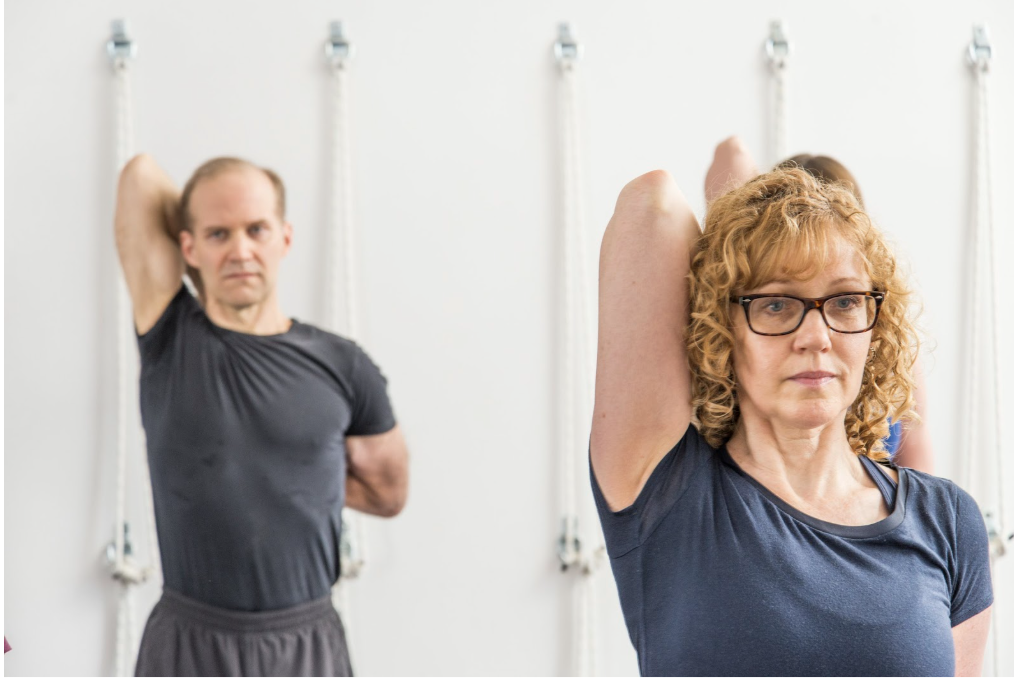
Choosing an Iyengar Yoga studio is about more than finding a convenient class time. Thoughtful teaching, experienced teachers, individual attention, and a supportive environment can shape how your practice develops over time. Here’s what to look for when choosing an Iyengar Yoga studio in Toronto.
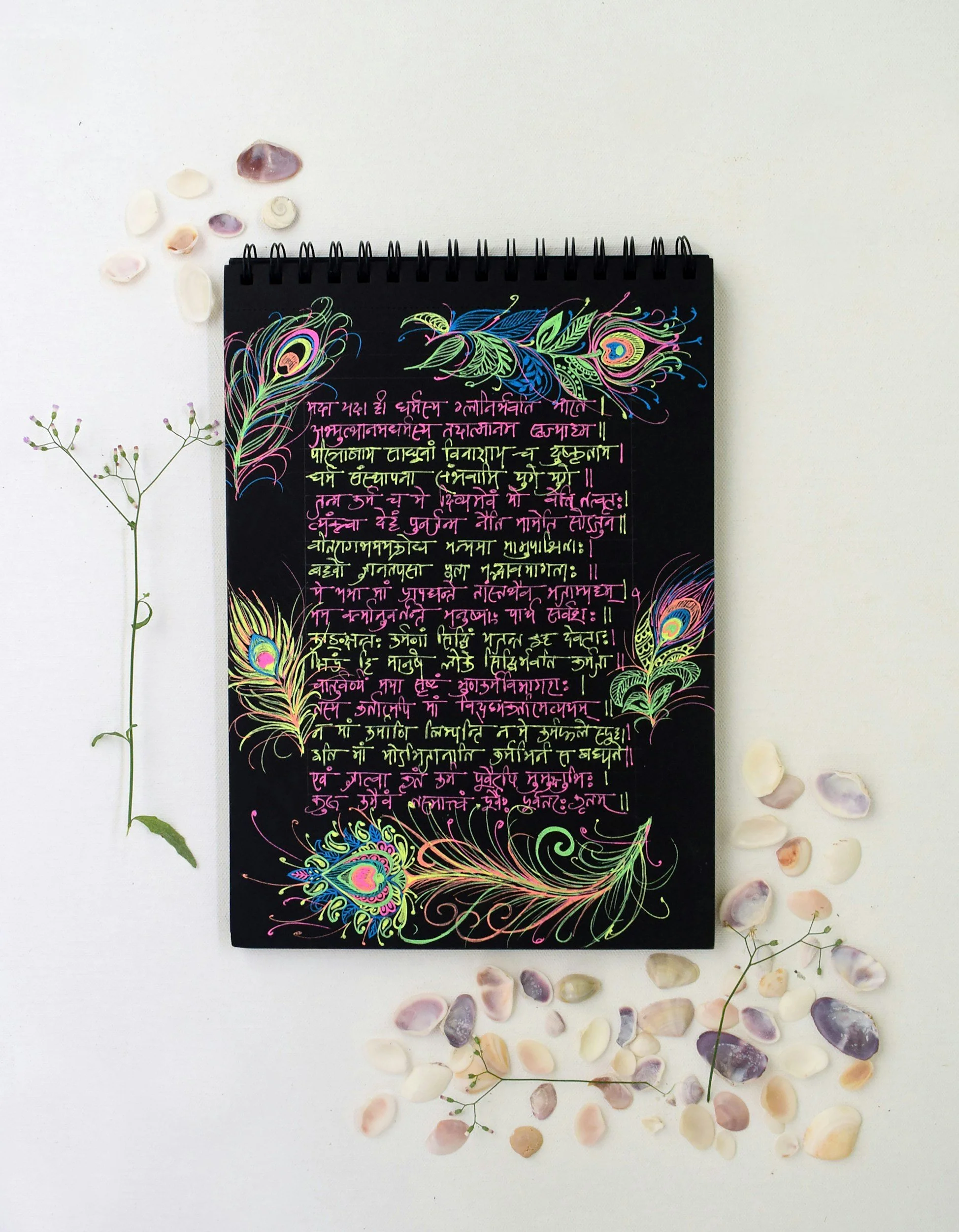
Have you ever wondered why yoga poses are called Trikonasana instead of Triangle Pose? Explore the history of Sanskrit in yoga, why Iyengar Yoga continues to use it, and how it can enrich your practice.

Tadasana may look simple, but it can reveal a great deal. This reflection explores how Iyengar Yoga uses alignment not as an end in itself, but as a pathway into awareness, embodiment, and the intelligence of the body.
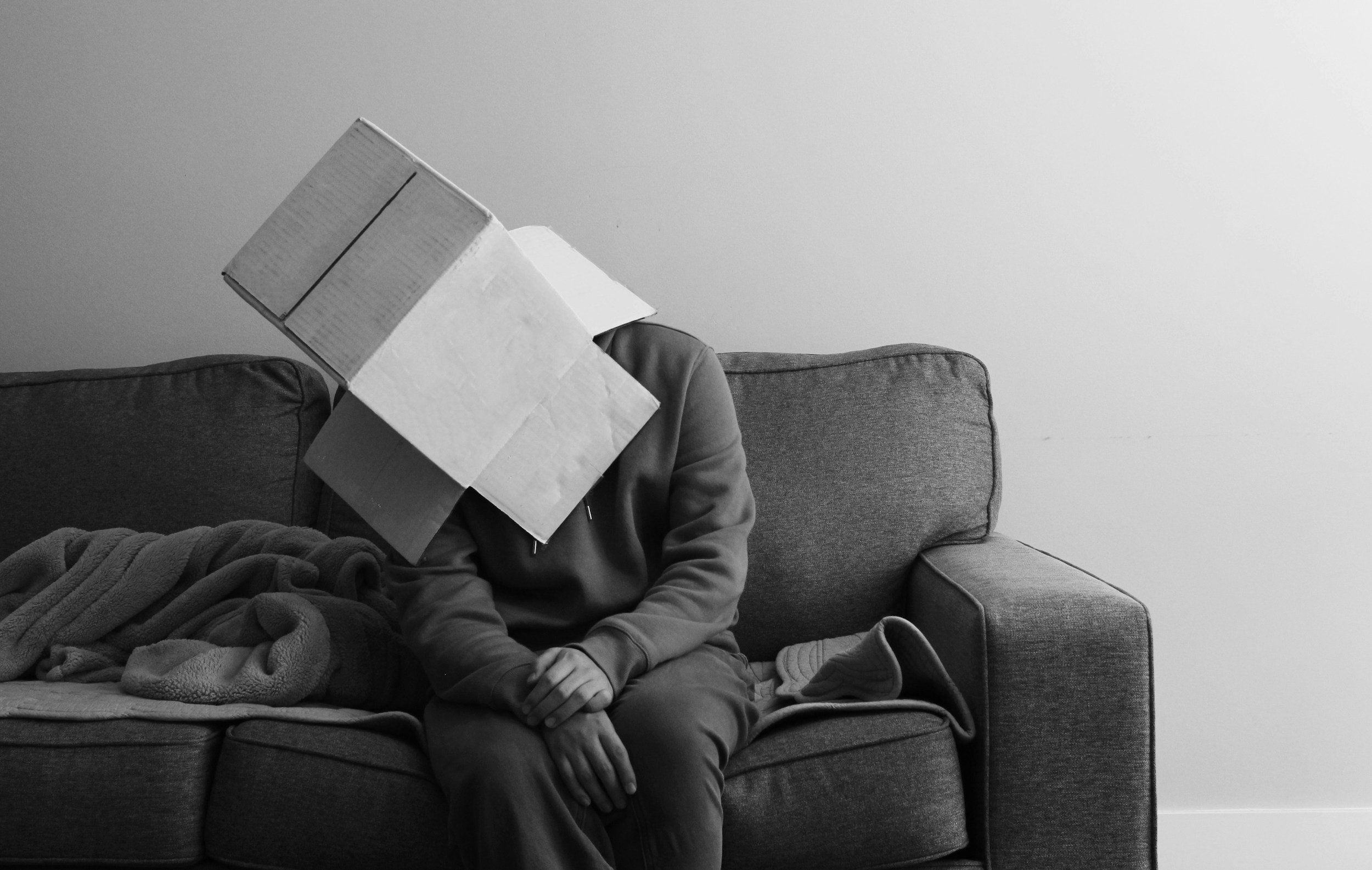
Every long-term relationship has its quieter seasons, including the one we have with yoga. This reflection explores what happens when practice begins to feel stale, and how meeting that moment with curiosity can deepen our connection to the mat.
Explore what makes yoga more than exercise through the lens of Iyengar Yoga, the yamas and niyamas, and the connection between practice on the mat and daily life.
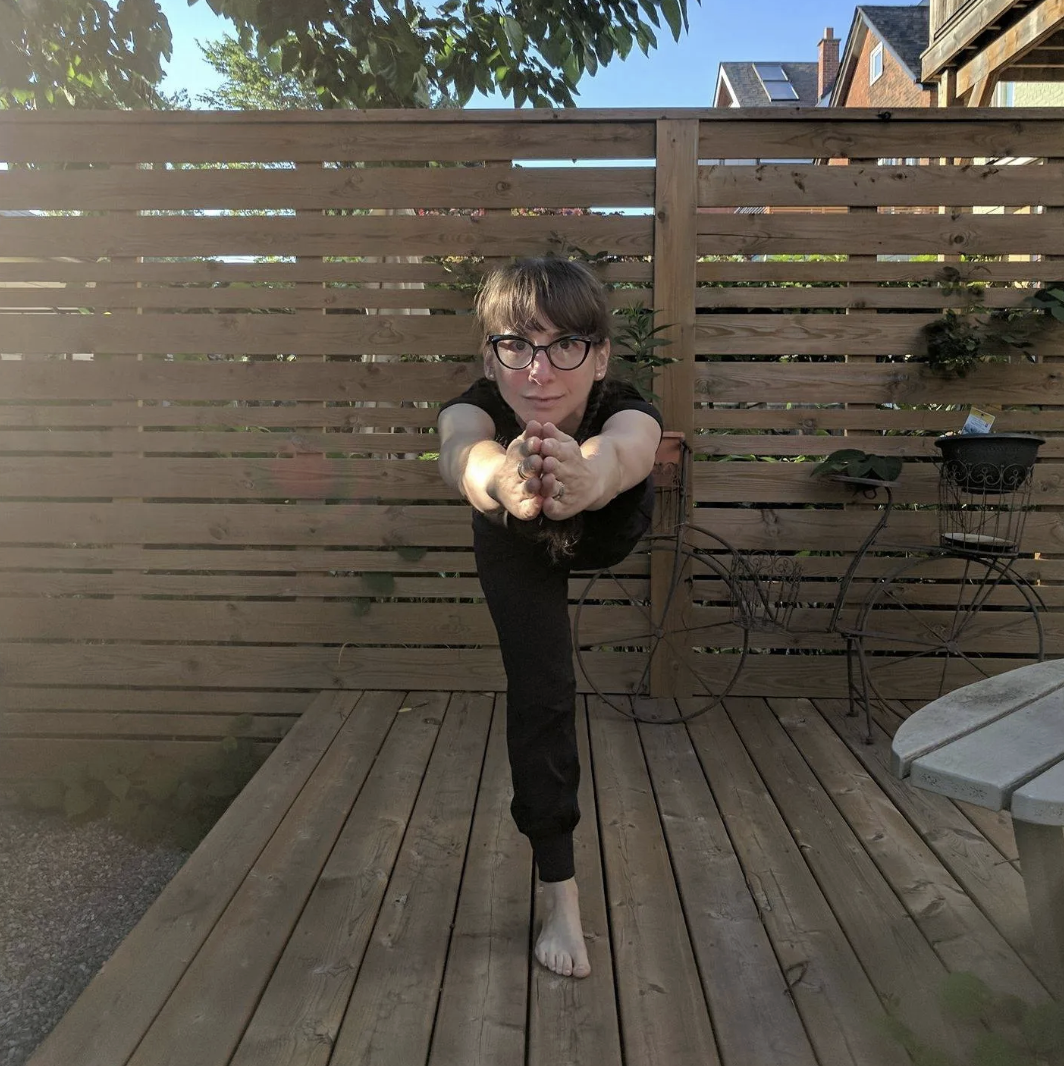
Summer can disrupt even the steadiest yoga routine, but your practice does not need perfect conditions to continue. A short, simple, adaptable practice can help you stay connected wherever the season takes you.
Is yoga supposed to feel relaxing? Not always. This reflection explores the balance between effort and ease, the difference between helpful discomfort and harmful strain, and why perfection in asana is less about achieving a shape and more about practicing with intelligence, awareness, and honesty.
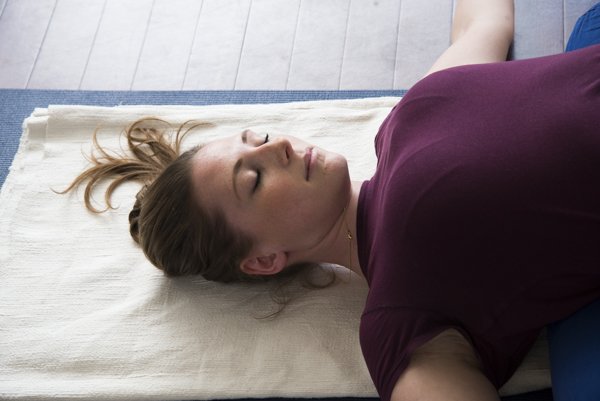
Restorative yoga isn’t always restful. This reflective piece explores why the practice can feel challenging, how it evolves over time, and why true restoration depends on understanding your body, mind, and individual needs.
In practice, nothing exists in isolation. Each action informs the next. Learning to link poses and movements isn’t just about sequence—it’s about developing continuity, sensitivity, and a more integrated understanding of the body.
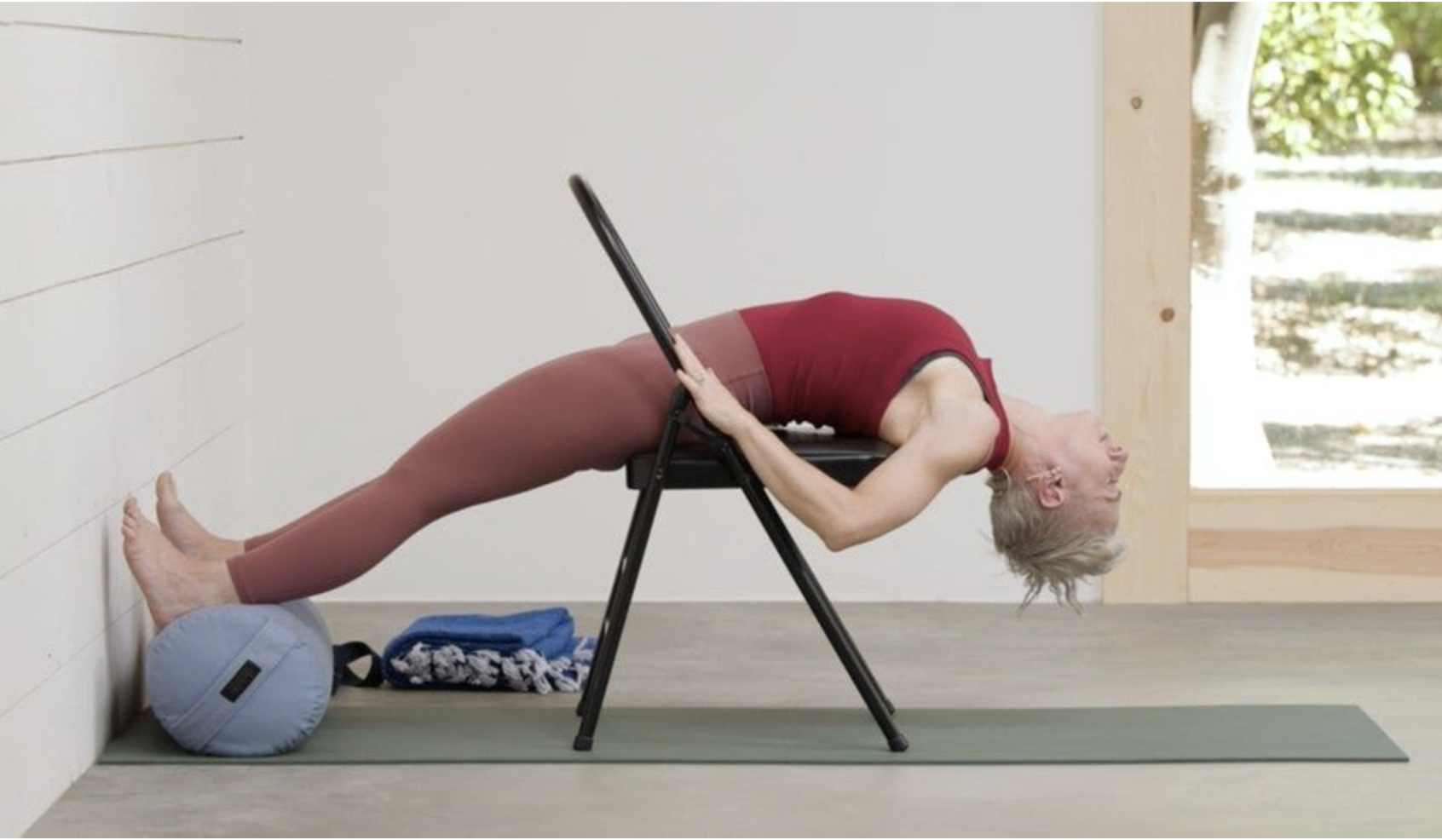
In Iyengar Yoga, props aren’t used to make poses easier—they’re used to make them more intelligent. With the right support, the body can learn, refine, and experience each pose more deeply.
Join the Newsletter
Stay connected with new articles, videos, and updates from the studio.
Video Practices & Tutorials

A progressive Iyengar Yoga practice using a chair, block, and blanket to explore supported backbends. Learn how to open the chest, lengthen the lumbar spine, and deepen extension with stability and awareness.
This class focuses on supported backbends using a chair, a key approach in the Iyengar Yoga method to help create space in the spine while reducing compression in the lower back. The emphasis is on clarity, alignment, and understanding how to extend the spine without strain.
It’s a steady, accessible sequence that allows you to stay in the poses longer and observe the actions carefully. Whether you’re new to backbends or refining your practice, this approach offers a sustainable way to work, even if
With the use of a chair, the practice becomes more supportive and precise—making it especially useful for students who want to build confidence in backbending.
Continue your practice inside Po Online build on these foundations with structured classes, progressions, and deeper study.
What You’ll Practice
Tadasana (Mountain Pose)
Supported Backbend over Chair
Urdhva Mukha Svanasana (Upward Facing Dog – supported variation)
Setu Bandha Sarvangasana (Bridge Pose – supported variation)
Gentle counterposes and rest
When to Use This Practice
When exploring backbends with more support
If you experience lower back sensitivity
As a focused mobility session
When you want a steady, supported practice
Who This Is For
Beginners learning how to approach backbends safely
Students with lower back sensitivity
Anyone looking to use props to improve alignment
Experienced practitioners refining foundational actions
Frequently Asked Questions
Are supported backbends better for the lower back?
Supported backbends can help reduce strain in the lower back by distributing the work more evenly through the spine. Using a chair allows you to create space and extension without forcing depth.
Do I need a yoga chair for this class?
A yoga chair is helpful, but not required. A stable household chair can work well, as long as it provides reliable support and is appropriate for your height.
Is this backbend practice suitable for beginners?
Maybe. The use of a chair makes backbends more accessible and easier to understand. Students with some yoga experience but new to backbending can explore the actions safely while building confidence and awareness, That said, if you are brand new to yoga, this is not the practice I’d suggest you start with. Instead, consider a practice of standing poses.
Can I do this practice if I have lower back sensitivity?
For some people, yes, for others, no. It’s really quite a personal decision. Please ease into the postions, use adequate support, and avoid pushing into discomfort. If you are unsure, connect with a teacher and ask for help.
When should I practice supported backbends like this?
This practice works well when you want to focus on spinal mobility and also explore the benefits of staying in these positions for longer durations.
What style of yoga is this?
This class is taught in the Iyengar Yoga method, which emphasizes precision, alignment, and the intelligent use of props to support learning.
Continue Your Practice
If you enjoyed this class, you can continue your practice across the Studio Po ecosystem:
Practice in-person at Po Toronto
Explore full-length classes inside Po Online
Read reflections and insights on Stephanie’s Blog

A 30-minute Iyengar Yoga practice exploring how to stabilize the hips through the complementary actions of broadening the front pelvis and compacting at the hips. These actions are applied across standing and balancing poses to create greater steadiness and ease.
A 30-minute Iyengar Yoga practice focused on strengthening and stabilizing the hips through the coordinated actions of broadening the front pelvis and compacting at the hips. These complementary actions help create stability and ease in standing and balancing poses.
Continue your practice inside Po Online, where we build on these foundations with structured classes, progressions, and deeper study.
About This Practice
This class looks at how the hips function in standing and balancing poses by working with two key actions: broadening across the front pelvis and compacting at the outer hips. When these actions are understood and applied together, they create a more stable and integrated base.
Rather than focusing on effort alone, the emphasis is on coordination—how different parts of the body work together to support balance and alignment. These actions are explored across several foundational poses to clarify how the hips support the entire posture.
What You’ll Practice
Tadasana (Mountain Pose)
Ardha Uttanasana (Half Forward Fold)
Utthita Trikonasana (Extended Triangle Pose)
Ardha Chandrasana (Half Moon Pose)
Vasisthasana (Side Plank Pose)
Exploring how to broaden the front pelvis and compact at the hips
Applying these actions in standing and balancing poses
When to Use This Practice
When working on hip stability in standing poses
To improve balance and coordination
As a focused session on hip mechanics
When refining alignment in foundational poses
Who This Is For
Students working to improve stability in standing poses
Practitioners exploring how the hips support balance
Anyone wanting to better understand hip actions
Experienced students refining coordination and alignment
Frequently Asked Questions
Below are some common questions about this practice and how to get the most out of it.
What does it mean to broaden the front pelvis?
Broadening the front pelvis refers to creating space across the front of the hips without gripping or tightening. This helps prevent collapse and allows for more even distribution of effort.
Why are these two actions used together?
These actions are complementary. Broadening creates space, while compacting provides support. Together, they help stabilize the pelvis and improve coordination in the pose.
How does this help with balance poses like Half Moon or Side Plank?
When the hips are stable, the rest of the body can organize more effectively. These actions help prevent wobbling or collapsing, making balancing poses feel more steady.
Is this suitable for beginners?
Yes. While the concepts are detailed, the poses are foundational. Beginners can start to build awareness, while more experienced students can refine their understanding.
What style of yoga is this?
This class is taught in the Iyengar Yoga method, which emphasizes precision, alignment, and understanding how actions in the body create stability and ease.
Continue Your Practice
If you enjoyed this class, you can continue your practice across the Studio Po ecosystem:
Practice in-person at Studio Po Toronto
Explore full-length classes inside Po Online
Read reflections and insights on Stephanie's Blog
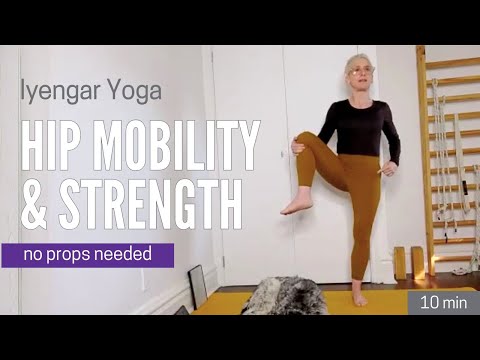
A short Iyengar Yoga sequence designed to both mobilize and stabilize the hips through simple, repeated shapes. This dynamic approach helps build strength, improve mobility, and develop balance without the use of props.
This class explores how a small number of poses, layered dynamically, can have a significant impact on the hips. The focus is not on complexity, but on how movement and repetition help to both mobilize and stabilize the joints.
By moving in and out of familiar shapes, you begin to understand how the hips respond to both load and release. This creates a balance between strength and mobility, while also developing coordination and steadiness through the legs.
No props are used in this practice, allowing you to work directly with your body and the actions in each pose.
Continue your practice inside Po Online: where we build on these foundations with structured classes, progressions, and deeper study.
What You’ll Practice
Simple standing shapes to mobilize the hips
Coordinating movement to build stability in the hip joints
Working through hip and groin mobility
Developing balance through dynamic transitions
Strengthening the legs to support hip stability
When to Use This Practice
When you want a short, effective hip-focused session
To improve mobility in the hips and groins
As a dynamic practice to build strength and coordination
When you want to move without props
Who This Is For
Students looking to improve hip mobility
Anyone wanting a short, focused sequence
Experienced students refining coordination through repetition
Frequently Asked Questions
Below are some common questions about this practice and how to get the most out of it.
How does repeating poses help improve hip mobility?
Repetition allows the body to gradually release tension while building familiarity with the movement. Over time, this helps increase mobility while maintaining control and stability.
Can a short sequence still be effective for the hips?
Yes. When the sequence is focused and repeated with attention, even a short practice can create noticeable changes in both mobility and strength.
Is this practice suitable for beginners?
Yes. The sequence uses simple shapes, making it accessible, while the repetition allows beginners to build understanding and confidence over time.
Do I need props for this practice?
No. This is a no-props sequence, designed so you can practice anywhere using just your body and the floor.
Continue Your Practice
If you enjoyed this class, you can continue your practice across the Studio Po ecosystem:
Practice in-person at Studio Po Yoga
Explore full-length classes inside Po Online
Read reflections and insights on Stephanie’s Blog

An Iyengar Yoga sequence exploring how to approach backbends by creating a smooth, supported arc through the spine. This practice focuses on strength, stability, and coordinated extension across a small group of exhilarating poses.
An Iyengar Yoga sequence focused on building strength and understanding in backbends by working toward a clear, supported arc through the spine. The practice emphasizes how to extend the spine without force by coordinating effort across the legs, back, and core.
Continue your practice inside Po Online: where we build on these foundations with structured classes, progressions, and deeper study.
About This Practice
This class explores backbending through a small group of foundational poses, each offering a different way to understand spinal extension.
By working progressively, you begin to see how strength in the legs, arms, and back supports the action of the spine. The inclusion of side variations adds another layer, helping to refine balance and stability so the work does not collapse into the lower back.
This is a more detailed practice, designed to help you understand how to create backbends that feel supported, integrated, and sustainable over time.
What You’ll Practice
Salabhasana (Locust Pose) to build strength and support spinal extension
Dhanurasana (Bow Pose) to coordinate strength and flexibility
Parsva (side) variations to refine balance and stability
Creating a smooth, even arc through the spine
Coordinating effort across the legs, core, and back body
When to Use This Practice
When working to improve backbend technique
To build strength in the back body and legs
As a focused session on spinal extension
When refining how to distribute effort in backbends
Who This Is For
Students with some Iyengar Yoga experience
Practitioners looking to deepen their understanding of backbends
Anyone working to reduce strain in spinal extension
Frequently Asked Questions
What does it mean to create a smooth arc in backbends?
A smooth arc refers to distributing the extension evenly along the spine, rather than concentrating the movement in one area. This helps prevent compression, especially in the lower back.
Why do backbends sometimes feel strained in the lower back?
Strain often occurs when the spine is not extending evenly or when other parts of the body are not contributing enough. Without support from the legs and back body, the lower back tends to take more of the load.
How do poses like locust and bow help with backbends?
These poses build strength in the back body and help you understand how to lift and extend the spine. They prepare the body for deeper backbends by developing support and coordination.
What is the purpose of side variations in this sequence?
Side variations help identify imbalances and improve stability. They encourage more even work through both sides of the body, which supports a more balanced backbend.
Is this suitable for beginners?
This practice is better suited to students with some experience, as it focuses on more detailed actions and coordination within the poses.
Continue Your Practice
If you enjoyed this class, you can continue your practice across the Studio Po ecosystem:
Practice in-person at Studio Po Yoga
Explore full-length classes inside Po Online
Read reflections and insights on Stephanie’s Blog
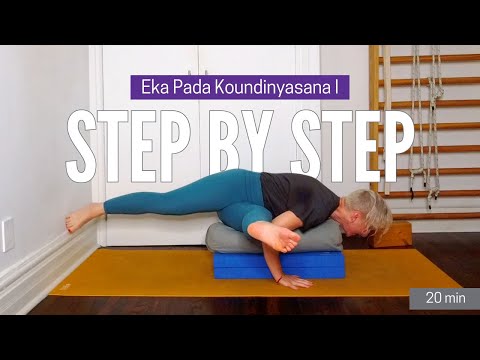
A 20-minute Iyengar Yoga practice exploring the foundations of Eka Pada Koundinyasana I. Through progressive steps and modifications, this sequence helps develop the strength, stamina, and understanding needed to approach this challenging arm balance.
A 20-minute Iyengar Yoga practice focused on the building blocks of Eka Pada Koundinyasana I. Through a step-by-step approach, you'll explore modifications, preparatory actions, and key techniques that make this challenging arm balance more accessible while developing the strength and stamina required for the classical pose.
Continue your practice inside Po Online where we build on these foundations with structured classes, progressions, and deeper study.
About This Practice
Eka Pada Koundinyasana I is often viewed as an advanced pose, but like many challenging asanas, it can be understood through its component parts. In this class, we break the pose down into manageable pieces and explore different presentations that help reveal the underlying actions.
Rather than focusing solely on achieving the final shape, the emphasis is on understanding the process. By working progressively, you can develop the strength, coordination, and confidence needed to approach the pose with greater clarity.
This is a practical exploration of how modifications and preparation can make a demanding pose more accessible without losing its essential qualities.
What You'll Practice
Preparatory actions for Eka Pada Koundinyasana I
Modifications that make the pose more accessible
Building strength and stamina for arm balances
Developing coordination between the upper and lower body
Exploring progressive steps toward the classical pose
When to Use This Practice
When learning Eka Pada Koundinyasana I
To develop strength for arm balances
When exploring modifications for advanced poses
As a focused skills-based practice
Who This Is For
Students working toward Eka Pada Koundinyasana I
Practitioners interested in arm balances
Anyone wanting to better understand pose progression
Experienced students developing strength and stamina
Frequently Asked Questions
Do I need to be able to do the full pose to benefit from this practice?
No. The practice focuses on the building blocks of the pose, making it valuable whether you are working toward the full expression or refining specific components.
Why use modifications for an advanced pose?
Modifications help reveal the essential actions of the pose. They allow students to develop understanding and strength progressively rather than relying on force or momentum.
What makes Eka Pada Koundinyasana I challenging?
The pose requires a combination of strength, coordination, balance, and stamina. Understanding how these elements work together is often more important than achieving the final shape.
How long does it take to develop this pose?
The timeline varies from student to student. In my experience, consistent practice and attention to the foundational actions are more important than rushing toward the end result.
Is this practice suitable for beginners?
Students with some familiarity with foundational yoga poses may find this practice accessible, particularly through the modifications offered. The sequence is designed to meet students at different stages of development.
What style of yoga is this?
This class is taught in the Iyengar Yoga method, which emphasizes precision, sequencing, progressive learning, and adapting poses to support understanding.
Continue Your Practice
If you enjoyed this class, you can continue your practice across the Studio Po ecosystem:
Practice in-person at Studio Po Toronto
Explore full-length classes inside Po Online
Read reflections and insights on Stephanie's Blog

A 20-minute Iyengar Yoga practice focused on building a stable foundation for backbends by learning how the legs and glutes support the spine. This sequence uses standing poses to develop strength and awareness for safer, more integrated back extensions.
A 20-minute Iyengar Yoga practice exploring how to build a stable foundation for backbends by activating the legs and glute muscles. The focus is on how engagement at the pelvis supports the spine and helps create a smooth, integrated arc in back extensions.
Continue your practice inside Po Online where we build on these foundations with structured classes, progressions, and deeper study.
About This Practice
This class approaches backbends through standing poses, with a focus on how the legs and glutes support spinal extension. By working from the ground up, you begin to understand how the pelvis acts as the base of the spine and why proper engagement is essential.
Rather than forcing depth, the emphasis is on creating a balanced arc through the spine by coordinating effort across the lower body. This helps prevent strain and builds a more stable, supported approach to backbending.
This is a foundational practice that highlights the role of the legs in backbends and clarifies how to engage without overworking or collapsing.
What You’ll Practice
Utthita Trikonasana (Extended Triangle Pose) to establish foundational alignment
Standing poses to activate the legs and glutes
Learning how glute engagement supports the pelvis and spine
Coordinating effort to create a smooth spinal arc
Building strength in the legs and back body to support backbends
When to Use This Practice
When learning the foundations of backbending
To improve strength and support in the lower body
As preparation for deeper backbends
Who This Is For
Students returning to fundamentals with more awareness
Practitioners working to reduce strain in backbends
Anyone wanting to understand how the lower body supports the spine
Frequently Asked Questions
What role do the glutes play in backbends?
The glutes help stabilize the pelvis, which supports the base of the spine. When they engage appropriately, they help create a more even and supported spinal extension.
Why is leg engagement important in backbends?
The legs provide the foundation for the pose. Without enough engagement, the spine may take on too much of the work, leading to instability or strain.
What does it mean to create an integrated arc in the spine?
An integrated arc means the extension is distributed evenly along the spine, rather than concentrated in one area. This helps create a smoother and more supported backbend.
Is this practice suitable for beginners?
Yes. This class focuses on foundational actions and is appropriate for beginners, while still offering useful detail for more experienced students.
How does this help prevent strain in backbends?
By building strength and awareness in the legs and pelvis, the spine is better supported. This reduces the likelihood of overloading the lower back.
What style of yoga is this?
This class is taught in the Iyengar Yoga method, which emphasizes precision, alignment, and understanding how different parts of the body work together to support the spine.
Continue Your Practice
If you enjoyed this class, you can continue your practice across the Studio Po ecosystem:
Practice in-person at Studio Po Yoga
Explore full-length classes inside Po Online
Read reflections and insights on Stephanie’s Blog

A 20-minute Iyengar Yoga practice exploring simple, precise movements to open, strengthen, and release the shoulders. This no-props sequence works progressively to improve mobility, posture, and awareness in the upper body.
A 20-minute Iyengar Yoga practice focused on improving shoulder mobility and strength. The sequence works progressively to open the shoulders, release tension, and build stability without the use of props.
Continue your practice inside Po Online where we build on these foundations with structured classes, progressions, and deeper study.
About This Practice
Rather than relying on props, the practice works directly with the body to build awareness and control. Over time, these simple actions help create more space in the shoulders and support better posture through the upper back and neck.
What You’ll Practice
Simple shoulder movements to improve mobility
Strengthening actions to support the shoulder joints
Releasing tension in the neck and upper back
Coordinating movement and awareness in the shoulders
Building stability without the use of props
When to Use This Practice
When experiencing stiffness in the shoulders or neck
After long periods of sitting or desk work
As a short reset for the upper body
When you want a no-props practice you can do anywhere
Who This Is For
Those experiencing shoulder or neck tension
Anyone wanting a short, focused upper body practice
All levels, including beginners
Frequently Asked Questions
Below are some common questions about this practice and how to get the most out of it.
What makes simple shoulder movements effective?
When done with attention and repetition, even small movements can reach deeper layers of the body. This helps improve mobility and release tension over time.
Can this help with tension from desk work?
Yes. This type of practice targets areas that often become tight from prolonged sitting, helping to release the neck and shoulders while improving posture.
Do I need props for this sequence?
No. This is a no-props practice, designed so you can work directly with your body and practice anywhere.
Is this suitable for beginners?
Yes. The movements are simple and accessible, making the practice appropriate for beginners while still offering depth for more experienced students.
How does this improve posture?
By creating more mobility in the shoulders and awareness in the upper back, the body can organize more naturally, reducing the tendency to round or collapse forward.
Continue Your Practice
If you enjoyed this class, you can continue your practice across the Studio Po ecosystem:
Practice in-person at Studio Po Yoga
Explore full-length classes inside Po Online
Read reflections and insights on Stephanie’s Blog

A 20-minute Iyengar Yoga practice using standing poses to release tension in the neck, shoulders, and upper back. This sequence explores how small modifications can shift the work into the upper body while maintaining strength and stability through the legs.
A 20-minute Iyengar Yoga practice focused on relieving tension in the neck, shoulders, and upper back using standing poses. By making small adjustments to familiar shapes, the sequence shows how to create space in the upper body while staying grounded and stable through the legs.
Continue your practice inside Po Online where we build on these foundations with structured classes, progressions, and deeper study.
About This Practice
This class revisits a small number of standing poses and shifts the emphasis to the upper body. Rather than focusing on the legs or hips, the work is directed into the neck, shoulders, and upper back through specific adjustments in the poses.
These modifications help release tightness and create space in the upper spine without losing stability. The legs remain active and supportive, allowing the upper body to soften and open more effectively.
This is a simple but focused practice that demonstrates how standing poses can be used beyond their usual application.
What You’ll Practice
Modifying pose setup to release the neck and shoulders
Creating space in the upper back and spine
Maintaining strength in the legs while freeing the upper body
When to Use This Practice
When experiencing tension in the neck or shoulders
After long periods of sitting or desk work
As a short upper body reset
When you want to use standing poses in a more targeted way
Who This Is For
Students experiencing neck, shoulder, or upper back stiffness
Practitioners wanting to adapt standing poses for upper body work
Anyone looking for a simple, effective release practice
Both beginners and experienced students
Frequently Asked Questions
How can standing poses help relieve tension in the shoulders?
Standing poses provide a stable base through the legs, allowing the upper body to release more effectively. With the right adjustments, the shoulders can soften while the body remains supported.
Why focus on the upper body in standing poses?
Shifting the focus changes how the pose is experienced. Instead of working primarily in the legs or hips, the pose becomes a way to address tension in the neck, shoulders, and upper back.
Do I need props for this practice?
No. This sequence works with simple modifications to the poses, allowing you to access the work without additional support.
Is this suitable for beginners?
Yes. The poses are familiar and the adjustments are accessible, making it appropriate for beginners while still offering useful detail for more experienced students.
How does this help with posture?
By releasing tension in the shoulders and upper back, the body can organize more naturally. This can help reduce rounding and improve overall alignment.
Continue Your Practice
If you enjoyed this class, you can continue your practice across the Studio Po ecosystem:
Practice in-person at Studio Po Yoga
Explore full-length classes inside Po Online
Read reflections and insights on Stephanie’s Blog

A 20-minute Iyengar Yoga practice exploring Virabhadrasana I and III through different entries and actions. This sequence builds strength, stability, and balance while developing a clearer understanding of how these poses function.
A 20-minute Iyengar Yoga practice focused on building strength and stability through Virabhadrasana I and Virabhadrasana III. By exploring different ways of entering the poses, the sequence highlights how small changes can shift balance, effort, and awareness.
Continue your practice inside Po Online where we build on these foundations with structured classes, progressions, and deeper study.
About This Practice
This class focuses on two foundational standing poses—Virabhadrasana I and Virabhadrasana III—and explores how different entries into the poses affect the overall experience. By varying how you arrive in the pose, you begin to notice changes in balance, strength, and coordination.
This creates a more responsive and aware practice, where the way you move into the pose becomes just as important as the pose itself.
This is a dynamic and exploratory sequence that builds both physical strength and sensitivity in the body.
What You’ll Practice
Virabhadrasana I (Warrior I) through different entry points
Virabhadrasana III (Warrior III) with a focus on balance and control
Exploring how transitions affect stability and effort
Coordinating strength through the legs and core
When to Use This Practice
When working on balance and coordination
To build strength in standing poses
As a focused exploration of Warrior poses
When you want a dynamic, no-props sequence
Who This Is For
Beginners learning foundational standing poses
Students developing balance and stability
Practitioners interested in refining transitions
Experienced students exploring variation within familiar poses
Frequently Asked Questions
Below are some common questions about this practice and how to get the most out of it.
Why explore different ways of entering a pose?
Changing how you enter a pose can reveal how balance, strength, and coordination shift. This helps build a deeper understanding of the pose rather than relying on a single approach.
What is the benefit of practicing Virabhadrasana I and III together?
These poses complement each other by working different aspects of strength and balance. Together, they help develop stability through the legs and control through the whole body.
Is this practice suitable for beginners?
Yes. The poses are foundational, and the variations offer opportunities to explore at different levels while building confidence and awareness.
Do I need props for this sequence?
No. This is a no-props practice, allowing you to focus on how your body organizes itself through movement and balance.
How do transitions affect balance in these poses?
The way you move into a pose can change how stable it feels. Practicing different entries helps you understand how to control movement and maintain balance more effectively.
Continue Your Practice
If you enjoyed this class, you can continue your practice across the Studio Po ecosystem:
Practice in-person at Studio Po Yoga
Explore full-length classes inside Po Online
Read reflections and insights on Stephanie’s Blog

A short Iyengar Yoga tutorial exploring how to practice Shoulderstand without props. This session focuses on practical options and a more flexible approach to maintaining consistency in your practice.
A short Iyengar Yoga tutorial focused on how to approach Shoulderstand without props when not in the studio. This is not a sequence, but a practical exploration of how to adapt your practice while still working within the principles of the pose.
Continue your practice inside Po Online where we build on these foundations with structured classes, progressions, and deeper study.
About This Practice
This tutorial looks at how to integrate Shoulderstand into your practice when a studio setup is not available. Rather than aiming for a perfect setup, the focus is on what can be done in real-life conditions and how to work with what you have.
You’ll explore a simplified approach to the Shoulderstand family, along with an important shift in mindset—from ideal conditions to consistent practice.
This is a practical and adaptable session designed to support continuity in your yoga practice over time.
What You’ll Practice
Understanding Shoulderstand as a family of poses
Two Shoulderstand variations that can be practiced without props
Developing consistency over ideal conditions
When to Use This Practice
When travelling or away from your usual setup
When you don’t have access to props
As a quick, practical tutorial on inversions
When building consistency in your home practice
Who This Is For
Students learning how to adapt their practice
Practitioners without access to props
Anyone working to maintain consistency in yoga
Both beginners and experienced students exploring inversions
Frequently Asked Questions
Below are some common questions about this practice and how to get the most out of it.
Can I practice Shoulderstand safely without props?
It depends on your experience and comfort with the pose. This tutorial offers simpler variations that can be practiced without props, while still respecting the principles of the pose.
What does it mean that Shoulderstand is a “family” of poses?
Shoulderstand includes a range of related variations that share similar actions and benefits. Understanding this allows you to choose options that suit your current conditions.
Is this suitable for beginners?
Yes, especially as an introduction to simpler inversion options. Beginners can use this as a starting point while building familiarity with the pose.
What if my setup isn’t ideal?
This practice emphasizes working with what is available. While ideal setups are helpful, consistency in practice is more important than waiting for perfect conditions.
Why practice without props at all?
Practicing without props can help develop adaptability and independence. It also allows you to maintain your practice in a wider range of situations.
Continue Your Practice
If you enjoyed this class, you can continue your practice across the Studio Po ecosystem:
Practice in-person at Studio Po Yoga
Explore full-length classes inside Po Online
Read reflections and insights on Stephanie’s Blog

A 25-minute yoga practice designed to gently awaken your body and mind using foundational poses taught in the Iyengar Yoga method. No props required—just simple, effective movement you can do anywhere.
A 25-minute yoga practice designed to gently awaken your body and mind using foundational Iyengar-inspired poses. No props required—just simple, effective movement you can do anywhere.
Continue your practice inside Po Online, where we build on these foundations with structured classes, progressions, and deeper study.
About This Practice
This class is built around foundational yoga poses that form the backbone of a strong and sustainable practice. Taught in the Iyengar Yoga method, the focus is on clarity, alignment, and awareness—helping you understand not just what to do, but how and why.
It’s a short, accessible sequence you can return to again and again. Whether you’re just starting out or have years of experience, these poses continue to offer new insight and benefit over time.
With no props required, this practice can be done anywhere—making it ideal for building consistency in your daily routine.
What You’ll Practice
Tadasana (Mountain Pose)
Urdhva Baddhanguyliasana (Upward stretch with interlaced fingers)
Parsva Baddhanguyliasana
Urdhva Hastasana (Upward Salute)
Utkatasana (Chair Pose)
Gomukhasana arms (Shoulder opening)
Uttanasana (Forward Fold)
Savasana (Final Rest)
When to Use This Practice
Morning routine to wake up the body and mind
Midday reset to restore energy and focus
Short daily practice to build consistency
Gentle but effective entry point into yoga
Who This Is For
Beginners learning foundational yoga poses
Students returning after time away from practice
Anyone looking for a short, accessible routine
Experienced practitioners refining fundamentals
Frequently Asked Questions
Below are some common questions about this practice and how to get the most out of it.
What is a good 25-minute yoga routine for beginners?
A good 25-minute yoga routine focuses on foundational poses that build strength, flexibility, and awareness. This sequence uses simple, repeatable movements that help establish a strong base for long-term practice.
Can I do this yoga class without props?
Yes—this is a no-props yoga class. The entire sequence is designed so you can practice anywhere without needing equipment.
Is this suitable for complete beginners?
Absolutely. The poses are fundamental and taught with clear alignment cues, making the class accessible while still offering depth for more experienced practitioners.
When should I practice this sequence?
This practice works well in the morning to energize your body, midday to reset your focus, or anytime you want a short, mindful movement session.
What style of yoga is this?
This class is taught in the Iyengar Yoga method, which emphasizes precision, alignment, and awareness in each pose.
Continue Your Practice
If you enjoyed this class, you can continue your practice across the Studio Po ecosystem:
Practice in-person at Po Toronto
Explore full-length classes inside Po Online
Read reflections and insights on Stephanie’s Blog
Take the Next Step
Practice in Toronto
Join in-person classes at the Toronto studio.
Practice Online
Access structured classes and programs from anywhere.
A 20-minute Iyengar Yoga practice exploring standing poses through the lens of joint stability rather than flexibility. Using props and thoughtful alignment, this sequence develops steadiness, strength, and support through the ankles, knees, hips, and shoulders.
A 20-minute Iyengar Yoga practice focused on developing stability and support in the joints through standing poses. Rather than pursuing greater range of motion, the emphasis is on creating strength, clarity, and organization in the body through careful alignment and the intelligent use of props.
Continue your practice inside Po Online where we build on these foundations with structured classes, progressions, and deeper study.
About This Practice
Standing poses are often associated with flexibility, but they can also be powerful tools for developing stability. In this class, we explore how standing asanas can create greater support through the ankles, knees, hips, and shoulders while refining overall awareness and alignment.
Props play an important role in this process. Rather than making the poses easier, they help clarify actions in the body and reveal where stability is needed. Over time, this can lead to a more intelligent and integrated experience of the poses.
This is a thoughtful practice that emphasizes steadiness, organization, and understanding over achievement or range of motion.
What You'll Practice
Standing poses with an emphasis on joint stability
Developing support through the ankles, knees, hips, and shoulders
Using blocks, a wall, and a belt to clarify alignment
Building strength and awareness through standing asanas
Exploring how props can deepen understanding of the poses
When to Use This Practice
When working to improve balance and stability
To develop strength and stability in the joints
When learning how to use props more effectively
As a foundational standing pose practice
Who This Is For
Students interested in improving joint stability
Practitioners wanting to better understand standing poses
Anyone exploring the use of props in Iyengar Yoga
Both newer and experienced students refining alignment
Frequently Asked Questions
Why focus on stability instead of flexibility?
Stability provides the foundation for healthy movement. When the joints are supported and organized, the body can move with greater confidence and efficiency.
How do standing poses improve joint stability?
Standing poses require the body to coordinate support through the feet, legs, pelvis, and spine. Over time, this develops strength, awareness, and steadiness throughout the joints.
Why are props used in Iyengar Yoga?
Props help reveal actions that may otherwise be difficult to feel. They provide feedback, improve alignment, and support a deeper understanding of the pose.
Do props make the poses easier?
Not necessarily. In many cases, props make the work more precise by highlighting where effort, stability, or awareness is needed.
Is this practice suitable for beginners?
Yes. The emphasis on alignment, stability, and understanding makes this practice accessible while still offering depth for experienced students.
What style of yoga is this?
This class is taught in the Iyengar Yoga method, which emphasizes precision, alignment, sequencing, and the intelligent use of props to support learning.
Continue Your Practice
If you enjoyed this class, you can continue your practice across the Studio Po ecosystem:
Practice in-person at Po Toronto
Explore full-length classes inside Po Online
Read reflections and insights on Stephanie’s Blog